
Table Of Contents
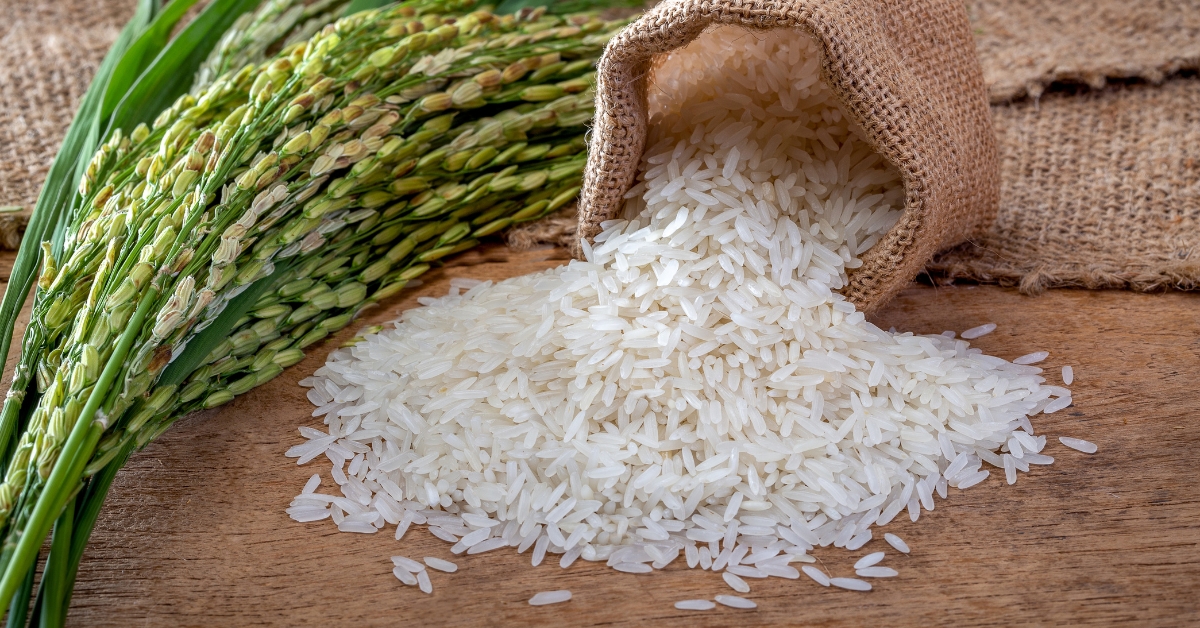
Bangladesh is one of the world’s largest rice producers.
It still imports rice almost every year.
That sounds like a contradiction.
It is not.
Understanding why explains a great deal about how the food trade actually works.
This post breaks down how Bangladesh buys its rice, where it buys it from, and why it refuses to depend on a single source.
A Top Producer That Still Imports
Bangladesh ranks just behind China and India in rice production.
It grows more than 35 million tonnes of rice a year.
However, the country sits on a low-lying river delta.
Floods, cyclones, and droughts can damage a harvest in a matter of days.
When a harvest falls short, the gap between supply and demand opens fast.
Prices rise, and a country of 170 million people feels it quickly.
To close that gap, the government buys rice from other countries.
Imports are reserved as a buffer that keeps the home market stable.
How The Government Buys Rice
Bangladesh imports rice through two main channels.
The first is the international open tender.
The government invites bids from suppliers worldwide, and the lowest qualified bidder wins the contract.
This method is used to fill public granaries.
The second is the government-to-government deal, often shortened to G2G.
Here, two states agree directly on a sale, with no open bidding.
This route is faster and is used with partners the buyer trusts.
Alongside these, the government often allows private traders to import rice.
To make that easier during a price spike, it may waive or remove the import duty so the grain arrives at a lower cost.
Where The Rice Comes From
India is usually the first choice.
It is close, it grows a large surplus, and its prices are hard to beat.
Thailand, Vietnam, and Myanmar are the other regular suppliers.
Each offers a different mix of price, quality, and shipping distance.
Over time, Bangladesh has reached further for new sources when the usual ones became expensive or unreliable.
Why Bangladesh Diversifies Its Suppliers
Leaning on a single supplier is a risk, not a savings.
India has at times restricted or banned its rice exports to protect its own market.
When that happens, a buyer that depends on India is left short with few alternatives.
So Bangladesh spreads its orders across several countries.
It was bought from Myanmar, and in 2025, it imported rice directly from Pakistan for the first time since 1971.
The Pakistan deal clearly shows the logic.
Bangladesh paid 499 dollars per tonne for Pakistani rice, more than the 474 dollars it was paying for rice from Vietnam.
It accepted the higher price to gain another reliable source.
The point was security of supply, not the cheapest sack of grain.
The Cost Of Diversification
A second or third supplier is rarely the cheapest option on the table.
That premium is the price of safety.
A buyer who can switch sources is much harder to squeeze on either price or supply.
This trade-off is not unique to rice or to Bangladesh.
Any country that imports an essential good faces the same decision.
What This Means For Traders And Exporters
For an exporter, the lesson is that reliability can beat price.
A government under pressure will reward a supplier it can count on, even one that charges more.
For an importer, the lesson is to build options before a crisis arrives, not during one.
There is also a wider signal worth watching.
When an established trade relationship strains, a new corridor tends to open in its place.
The trader who spots that early gains an edge.
A Note On History
Before 1971, Bangladesh was known as East Pakistan.
When the two countries traded rice directly in 2025, it was their first such government deal in more than five decades.
The deeper point outlasts any single shipment.
A nation’s food supply is never settled.
Harvests fail, prices move, and politics shift.
The countries that handle it best are the ones that always keep more than one door open.
About Author