
Table Of Contents
At our trade desk, the question we hear about Kerala is rarely “what does Kerala export?” It is “which of these can I actually ship at a profit, and what will it cost me to get the first container out?”
That is the question this guide answers.
Kerala is a small state with an outsized export footprint. It produces about 97 per cent of India’s pepper output, around 90 per cent of the country’s cardamom, roughly 85 per cent of its coir products, and more than 70 per cent of its natural rubber. Kochi has long been one of India’s top three seafood ports, and the new deepwater transshipment port at Vizhinjam has reshaped the logistics map of the entire southern coast.
So the raw material advantage is real. What separates a profitable Kerala export from a hopeful one is grade selection, value addition, the right buyer, and clean paperwork.
We have written this for the Indian exporter and operator. That means we talk about sourcing within Kerala, the registrations you cannot skip, what customs incentives actually put back into your account, and where the genuine margin sits. We have also been honest about the products that look attractive on paper but are ill-suited to a new exporter.
Why Kerala Still Punches Above Its Weight In Exports
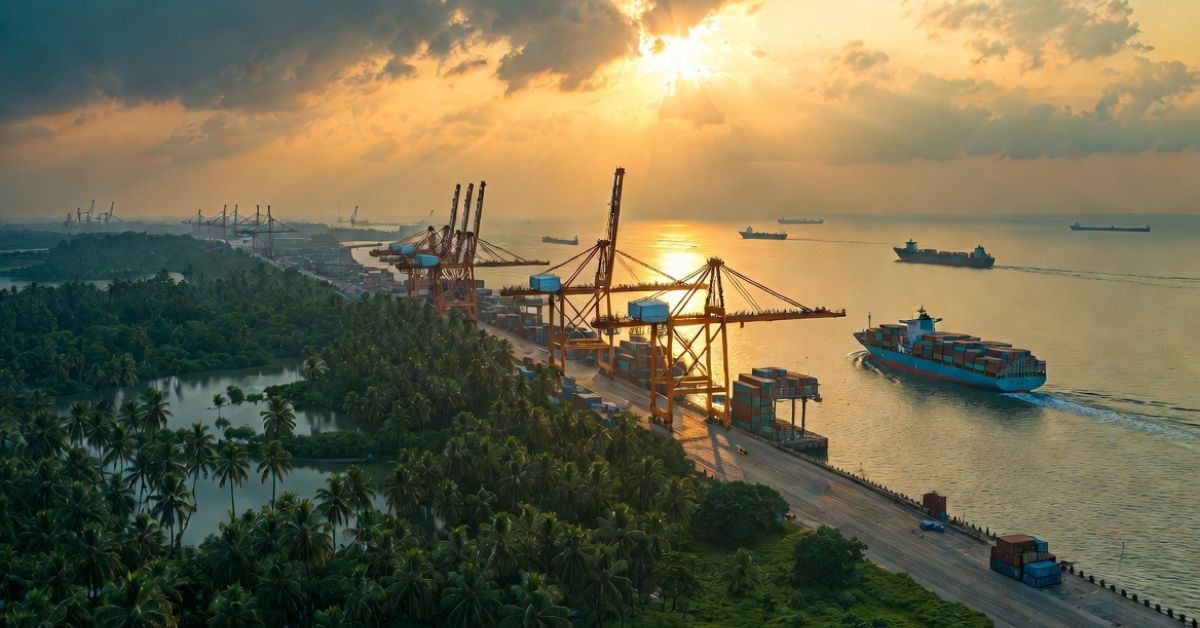
Kerala’s merchandise exports stood at roughly 42,343 crore rupees, or about 4.77 billion US dollars, in the financial year 2024 to 2025. Marine products and spices remain the backbone, with cashew, coir, coffee, tea, rubber-based goods, and a fast-growing wellness category filling out the basket.
The state’s biggest structural advantage is geography. Kochi Port handles a large share of India’s seafood and spice cargo. Vizhinjam, which began commercial operations in December 2024, sits about ten nautical miles from the main east-to-west shipping lane and has a natural depth of 20 to 24 metres. For a Kerala exporter, that means shorter transit and less dependence on transshipment through Colombo, Dubai, or Singapore.
The second advantage is the institutional support. The Spices Board, MPEDA, the Coir Board, and the cashew bodies are all headquartered in or near Kochi. Registration, testing, and certification are easier to arrange when the issuing office is in your own state.
Keep one thing in mind as you read. Being the largest producer of a crop does not automatically make it your best export. Rubber proves that point, as you will see further down.
1. Marine Products And Frozen Shrimp, Kerala’s Single Biggest Earner
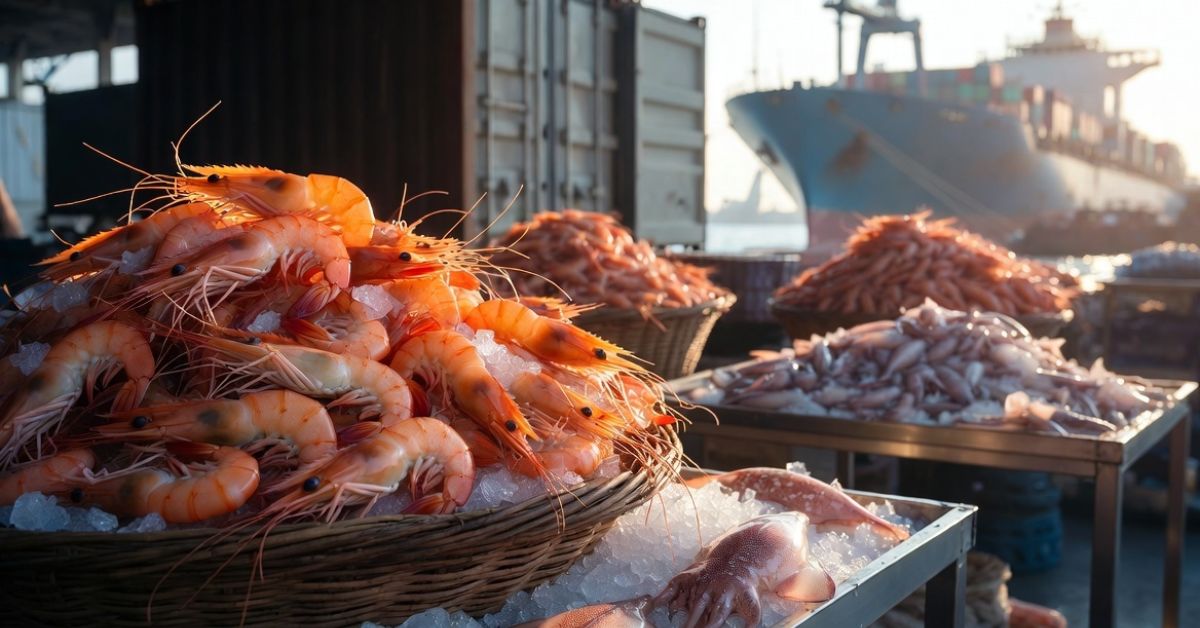
If you want volume and a deep, proven global market, this is the category to study first.
India’s seafood exports touched a record of about 73,890 crore rupees, or roughly 8.46 billion US dollars, in the financial year 2025 to 2026. Frozen shrimp alone accounted for close to 49,038 crore rupees, about two-thirds of the total value. The United States remained the largest buyer, followed by China and the European Union.
Kerala’s role here is large. Kochi consistently ranks among the country’s top three seafood ports, and the state has a dense network of processing plants and cold storage built up over decades.
The honest caveat is that this is a capital-heavy and compliance-heavy sector. You need a registered processing plant, cold chain, and the ability to meet strict sanitary and phytosanitary standards for the United States, the European Union, and Japan. A first-time trader usually enters the market as a merchant exporter, working with an established processor rather than building a plant.
Beyond shrimp, there is real and growing demand for cuttlefish, squid, octopus, ribbonfish, and value-added ready-to-cook items. Diversifying away from shrimp is sensible because shipments to a single market can swing sharply with that market’s tariff and demand cycles.
2. Black Pepper, The Spice That Built Kerala’s Trade Name
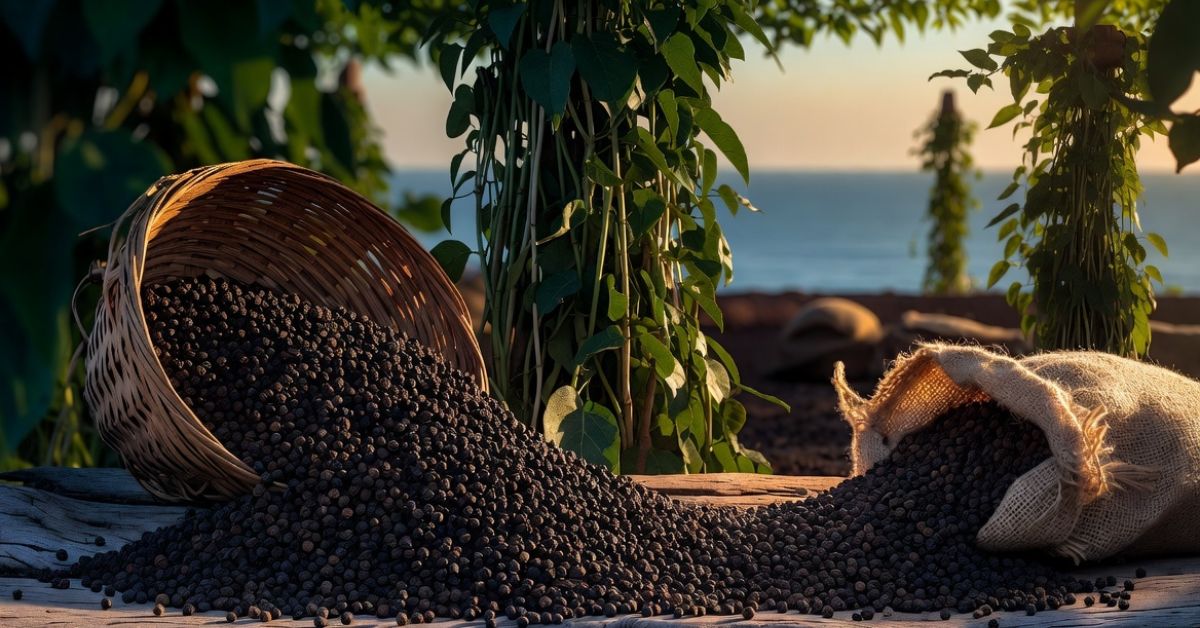
Black pepper is where Kerala’s export story began, and it remains a strong product for a serious exporter.
India shipped spices worth about 4.72 billion US dollars in the financial year 2024 to 2025, and Kerala grows almost all of the country’s pepper. The main buyers for Indian pepper are the United States, the European Union, the Middle East, and parts of East Asia.
Grade is everything with pepper. Buyers specify by bulk density, measured in grams per litre, and by whether the lot is garbled (cleaned and sorted) or ungarbled. A 500 GL garbled grade traded at wholesale levels of around 700 to 720 rupees per kilogram in early 2026 inside Kerala, before grading, packing, and export costs.
Indian pepper is rarely the cheapest in the world. It competes on flavour, traceability, and clean documentation. So sell on quality and certification, not on price alone.
Did you know? Pepper was once called black gold, and it was so valuable in medieval Europe that it was used to pay rent and dowries. The hunt for direct access to the Malabar Coast pepper trade is what brought Vasco da Gama to Kozhikode in 1498. The spice that sits in your kitchen today literally redrew the world’s trade routes.
3. Green Cardamom, The High Value Gulf Favourite
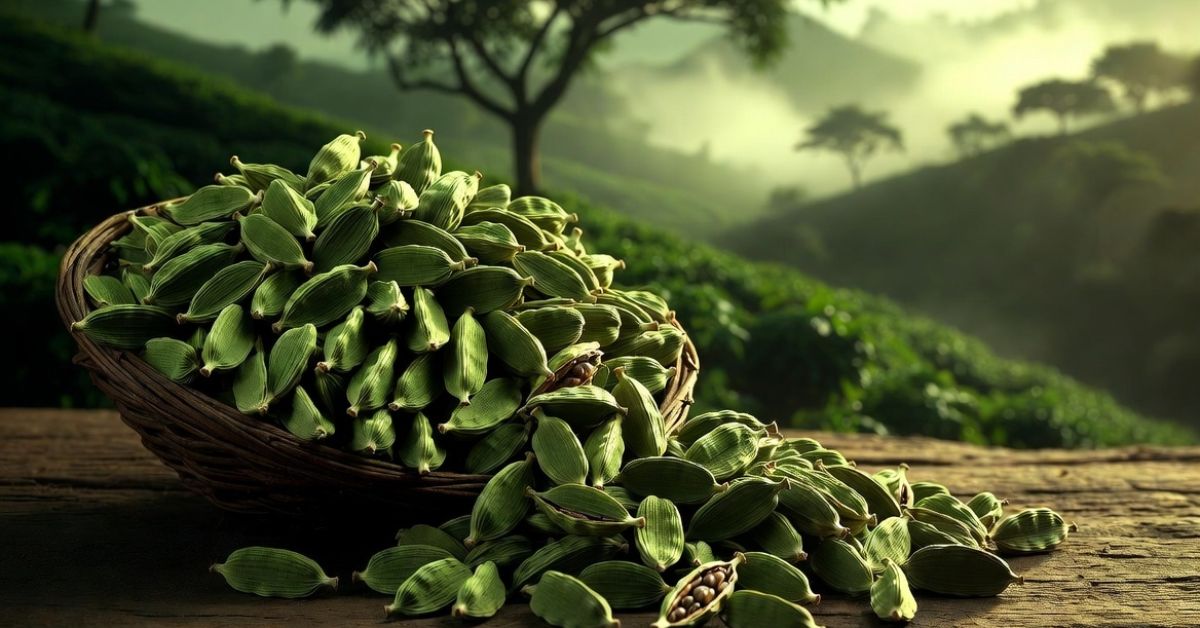
Cardamom is a product in which small volumes can carry significant value, which suits an exporter who does not want to handle full container loads from day one.
Kerala produces close to 90 per cent of India’s cardamom, mostly in the Idukki high ranges. At the Spices Board auctions in June 2026, small cardamom was selling at average prices near 2,900 rupees per kilogram, with the best lots crossing 3,800 rupees.
The demand is heavily linked to the Gulf, especially Saudi Arabia and the United Arab Emirates, where cardamom flavours coffee and sweets. Buyers there pay close attention to pod size, usually 7 to 8 millimetres, and to a bright green colour.
The risk to respect is price volatility. Cardamom prices swing with crop size and weather, far more than pepper or coir. Buy and contract carefully, and avoid taking large unhedged positions if you are new to the trade.
4. Cashew Kernels From Kollam, The Cashew Capital
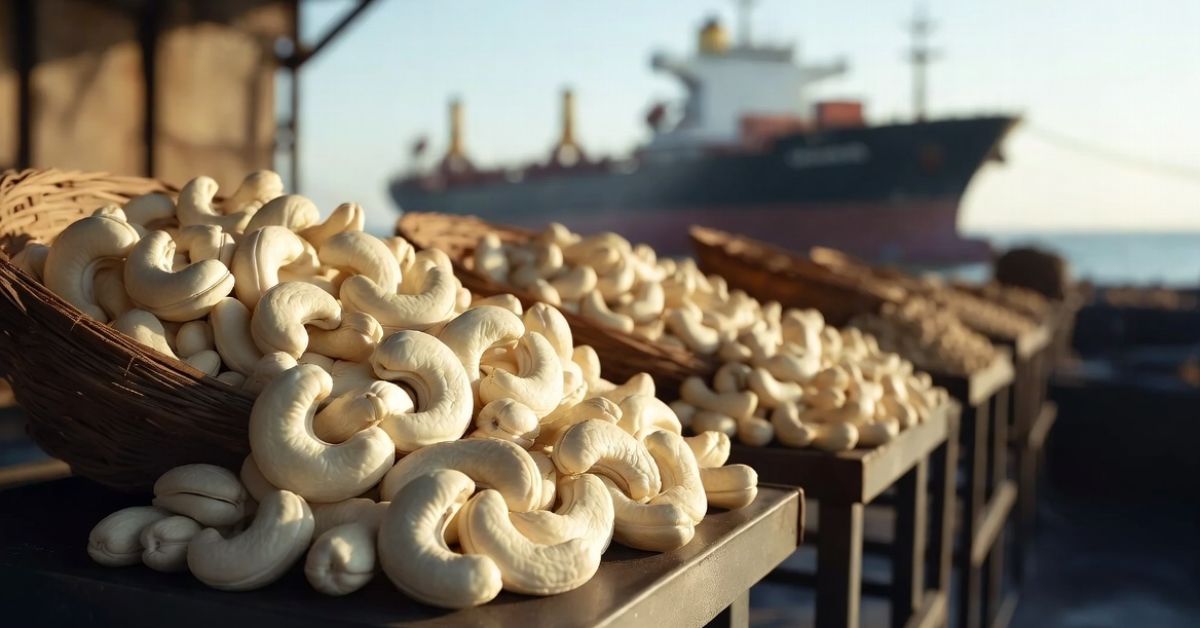
Kollam in Kerala is known as the cashew capital of the world, and India is the second-largest exporter of cashew kernels after Vietnam, accounting for roughly a tenth of global exports.
The grading system here is precise. Kernels are sold by grade codes such as W240 and W320, where the number reflects how many kernels make up a pound. Cleaner grades and whole kernels command higher prices. The leading destinations are the Gulf, Japan, the European Union, and the United Kingdom.
There is an important structural fact every cashew exporter must understand. Kerala’s processing capacity far exceeds its raw nut production, so the industry relies on imported raw cashew nuts from countries such as the Ivory Coast, Ghana, Tanzania, Guinea-Bissau, and Indonesia. Your kernel margin, therefore, depends on the gap between the imported raw nut price and the finished kernel price, not just on the kernel price alone.
That makes cashew a thinner-margin, working-capital-intensive trade. It rewards exporters who can secure a reliable supply of raw nuts and process them to a consistent grade.
5. Coir And Coco Peat, The Quiet Performer With Surprising Demand
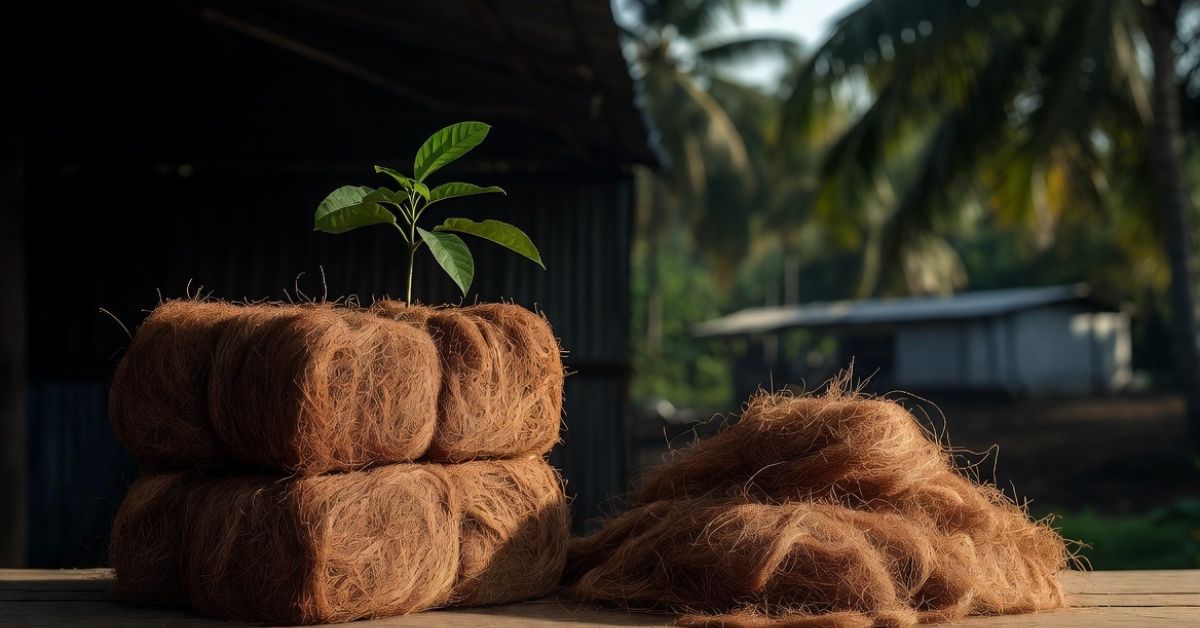
Coir is one of the most underrated opportunities on this list, and it suits exporters who want a sustainable story and steady repeat orders.
India exported coir and coir products worth about 455 million US dollars in the financial year 2024 to 2025, and Kerala accounts for around 85 per cent of the country’s coir exports. The single largest item by value is coir pith, also sold as coco peat, which made up close to 60 per cent of export value. China and the United States are the leading buyers.
Coco peat is the practical winner for a new exporter. It is a growing medium for horticulture and hydroponics, it compresses into blocks that ship efficiently, and global demand is rising with controlled-environment farming. Tufted mats, geotextiles, and rugs are the higher-craft end of the same industry.
The caveat is moisture and quality control. Buyers reject coco peat for high electrical conductivity, salt content, or inconsistent moisture, so washing and buffering to specification is the difference between a repeat customer and a returned container.
6. Coconut Products, From Virgin Coconut Oil To Desiccated Coconut
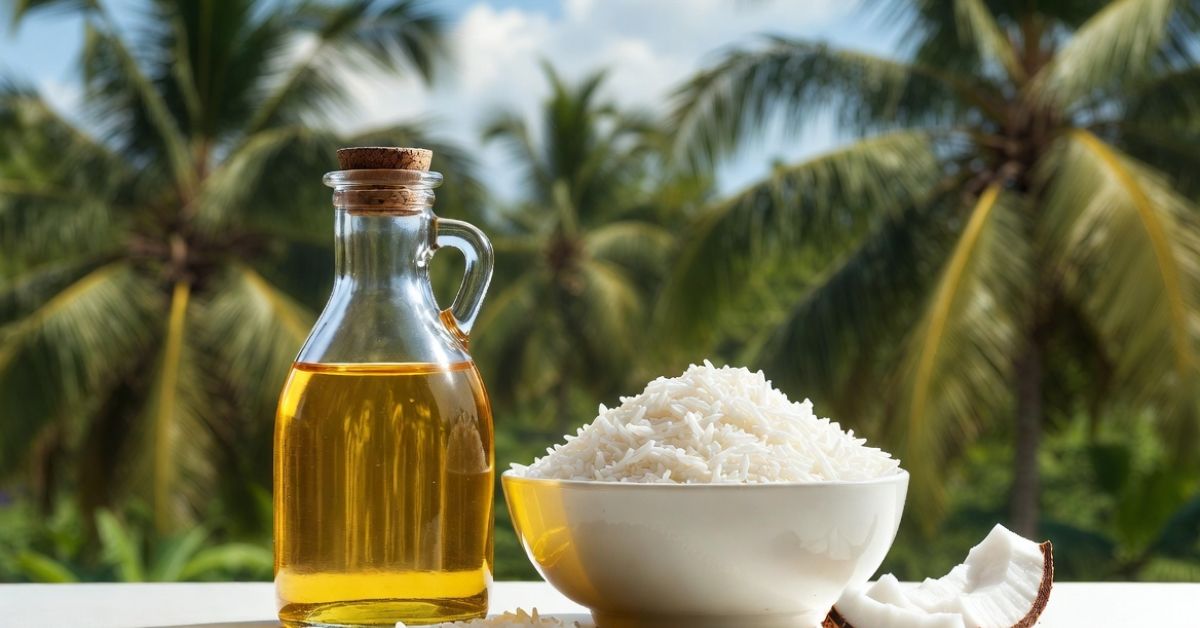
Kerala’s name literally comes from the coconut, and the value-added end of this crop travels far better than the raw nut.
The products with genuine export pull are virgin coconut oil, desiccated coconut, coconut milk and cream, and activated carbon made from shell. Virgin coconut oil, in particular, rides the global wellness and clean-label trend and sells in the United States, the Gulf, and Europe.
The honest steer is to avoid exporting plain copra or low-grade coconut oil as a commodity. The margins are thin, and the competition from larger producing nations is fierce. Branded, certified, value-added coconut products are where a Kerala exporter can actually win.
7. Tea From The Munnar High Ranges
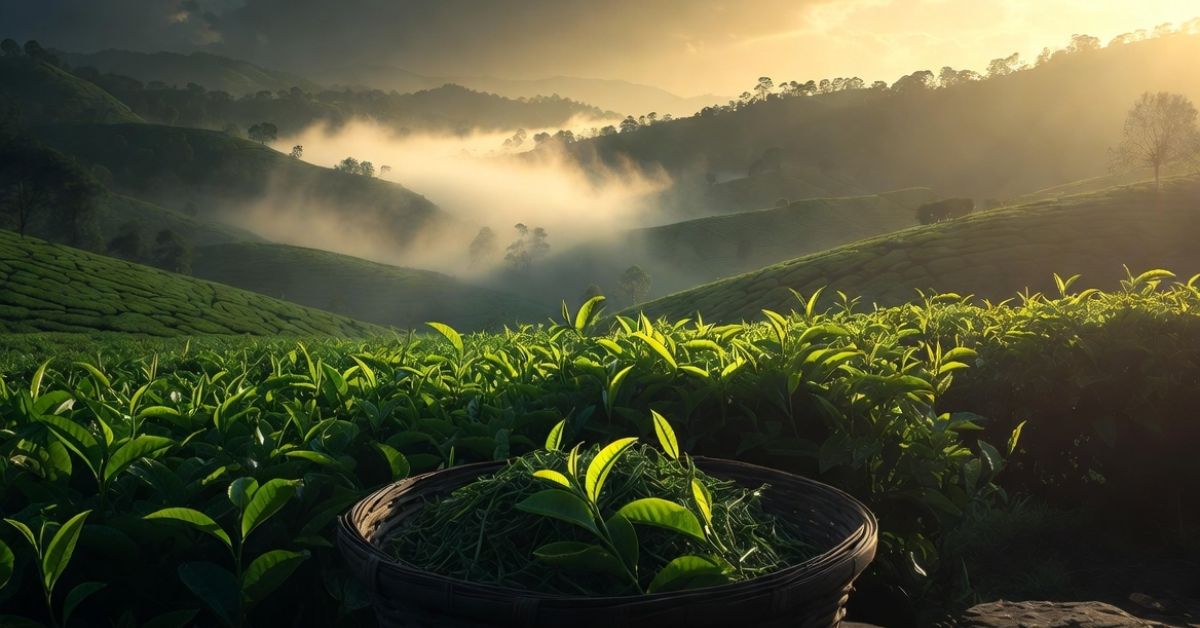
Kerala grows tea in the high ranges around Munnar, and the export logic here is specialty, not bulk.
India is a major tea exporter overall, but in plain bulk tea, Kerala competes against far larger producing regions and against low-cost origins. The United Kingdom, for context, takes only around 5.6 per cent of India’s total tea exports.
Where a Kerala exporter can stand out is in high-grown, organic, and specialty teas with a clear estate story. Buyers in Europe, North America, and Japan will pay a premium for certified, single-origin, well-packaged products.
So treat tea as a brand-and-certification play. As a faceless bulk commodity, it is a difficult first export.
8. Coffee From Wayanad Is Best Sold With Value Added
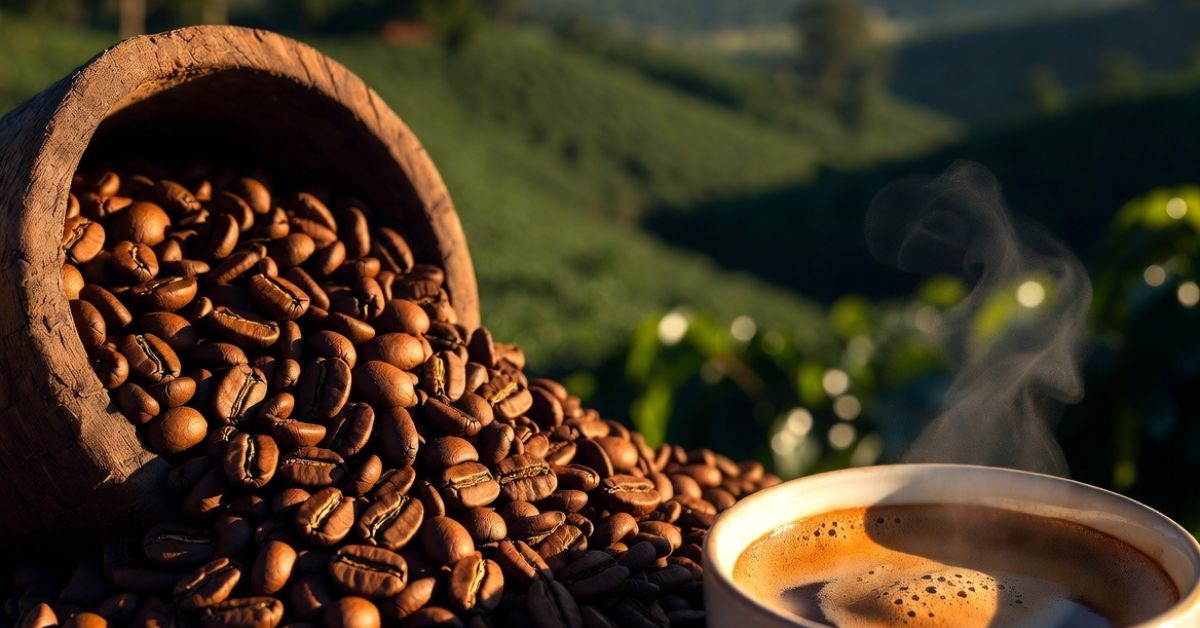
Wayanad grows mostly Robusta coffee, and like tea, this is a category where value addition decides whether you make money.
Green Robusta beans are a global commodity, and India is a price-taker in that market. The United Kingdom accounts for only about 1.7 per cent of India’s coffee exports, which suggests the raw bean market is competitive and spread thin.
The brighter opportunity is value-added coffee, especially instant and specialty roasts, where Indian products can compete with European suppliers once tariffs come down. Italy, Germany, Belgium, and the Middle East are established destinations.
Our advice mirrors the tea section. If you are exporting green beans alone, expect commodity margins. If you can offer roasted, instant, or certified specialty coffee with a Wayanad origin story, the economics improve sharply.
9. Ayurvedic, Herbal, And Wellness Products
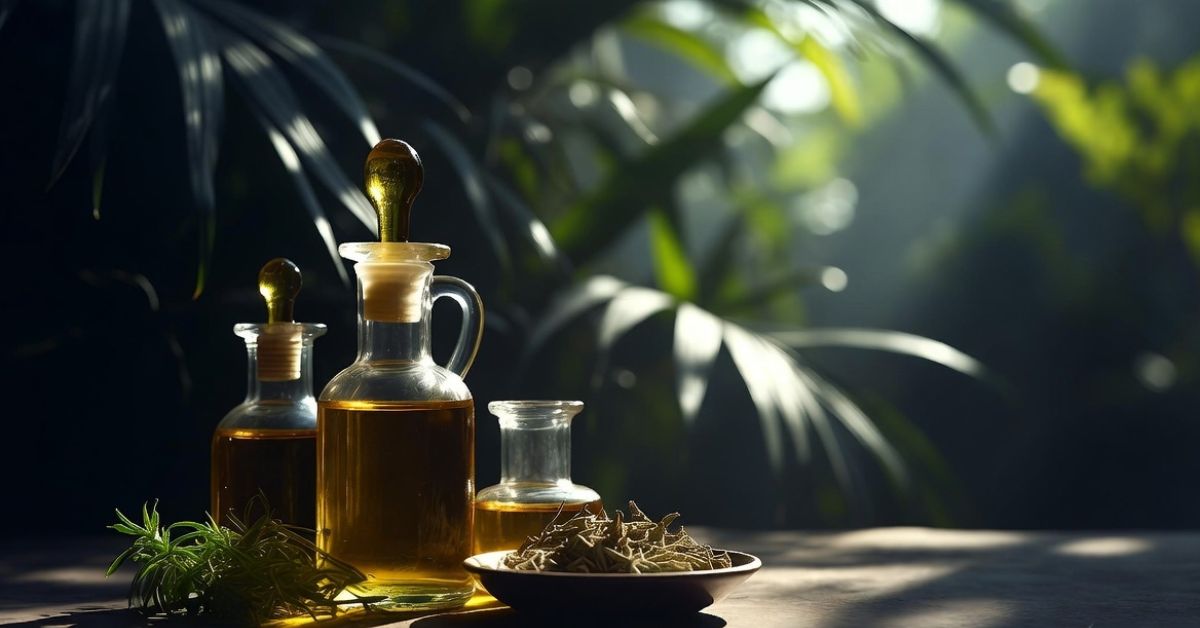
This is the fastest-evolving category in Kerala’s basket, and it suits exporters who can handle regulation and branding rather than bulk logistics.
Kerala has a globally recognised name in Ayurveda. The exportable range covers herbal medicines, massage and treatment oils, herbal cosmetics, nutraceuticals, and Panchakarma accessories. The main markets are the Gulf, Europe, North America, and increasingly East Asia.
The reason this category needs care is regulatory. Each destination treats Ayurvedic and herbal products differently. Some allow them as food supplements, some as cosmetics, and some require full medicinal registration. You will often need AYUSH-side documentation in India, product dossiers, ingredient declarations, and, sometimes, country-specific registration abroad.
Get the classification and labelling right for each market, and this becomes a high-margin, high-loyalty business. Get it wrong, and shipments sit in destination customs.
10. Jackfruit, Banana, And Processed Fruit, The Agri Diversification Plays
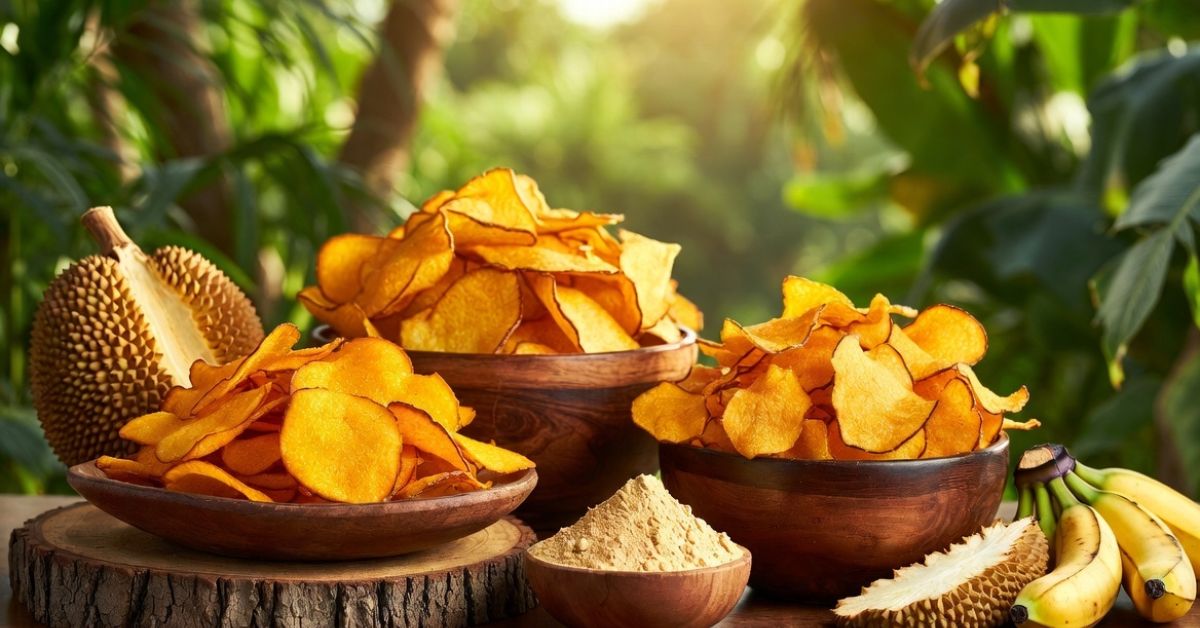
This is the newest opportunity and the one we are most excited about for small and mid-sized exporters.
Kerala has leaned into value-added fruit, with jackfruit leading the way as flour, chips, ready-to-eat pouches, and meat-substitute products for health-conscious and vegan buyers abroad. Nendran banana, banana chips, and fruit pulps and juices round out the category. The agri-export momentum is real, with the United Arab Emirates as the single largest destination for Kerala’s agricultural produce.
The reason processed beats fresh for most new exporters is shelf life. Fresh fruit demands an unbroken cold chain, fast air or reefer logistics, and strict phytosanitary compliance, which is unforgiving for a first-timer. Dried, frozen, and processed fruit products are far more forgiving and travel better.
If you want a modern, brandable, lower-capital entry into food exports, this is a strong place to start.
11. Natural Rubber And Rubber Based Products, With An Honest Caveat

We include rubber because Kerala is the rubber state, producing more than 70 per cent of India’s natural rubber. But we have to be straight with you about it.
Raw natural rubber is a weak export bet for most Indian traders. India consumes most of what it produces domestically and frequently imports rubber to meet demand, so there is rarely a surplus chasing export markets at attractive prices.
The realistic export opportunity is rubber-based manufactured products rather than the raw sheet. Gloves, mats, automotive components, rubberised coir, and other finished goods carry real value and meet genuine overseas demand.
So treat the headline “Kerala produces most of India’s rubber” with care. The crop is a Kerala strength. The raw export is not; a new exporter should focus on finished rubber goods instead.
A Few Kerala Favourites That Suit Some Exporters Less
Padding a list with weak options helps nobody, so here are the products we usually steer newer exporters away from, grouped honestly.
Fresh produce other than the processed forms above, such as fresh vegetables and most fresh fruit, demands a cold chain and phytosanitary discipline that punishes mistakes. Start with processed versions instead.
Raw tapioca and similar staples are low-value, largely domestic crops, so export economics rarely justify the effort.
Handicrafts such as wood carvings, brassware, and decorative coir craft are charming and do find niche buyers in home-decor markets, but volumes are small and irregular. They work as an add-on line, not as a core business.
Areca nut and certain forest- or wildlife-linked products are subject to regulatory restrictions and should only be handled with specialist guidance.
None of these is impossible. They simply reward experience, and we would not recommend them as a first container.
How The Eleven Compare At A Glance
The table below is a quick decision aid, not a ranking. Match the product to what you can realistically source, fund, and certify.
| Product | Usual export form | Strongest markets | Best suited to |
|---|---|---|---|
| Marine products and shrimp | Frozen, value-added | United States, China, European Union | Processors and funded merchant exporters |
| Black pepper | Garbled, by grade | United States, European Union, Gulf | Quality-focused spice exporters |
| Green cardamom | Whole pods, by size | Saudi Arabia, United Arab Emirates | Exporters are comfortable with price swings |
| Cashew kernels | Graded kernels | Gulf, Japan, European Union | Processors with raw-nut supply |
| Coir and coco peat | Compressed blocks, mats | China, the United States, and Europe | New exporters wanting steady repeat orders |
| Coconut products | Virgin oil, desiccated | United States, Gulf, Europe | Brand and certification builders |
| Tea | Specialty, organic | Europe, North America, Japan | Estate and specialty sellers |
| Coffee | Instant, specialty roast | Italy, Germany, Gulf | Value-added coffee sellers |
| Ayurveda and wellness | Oils, herbals, cosmetics | Gulf, Europe, North America | Regulation-savvy brand exporters |
| Processed fruit | Jackfruit, banana, pulp | United Arab Emirates, Gulf, Europe | Lower-capital food entrants |
| Rubber goods | Finished products | Varies by product | Manufacturers, not raw traders |
The Registrations You Cannot Skip
Before a single container leaves Kochi or Vizhinjam, this paperwork must be in place. Get it done in the right order, and the first shipment will go smoothly.
The Importer Exporter Code, or IEC, comes first. It is issued by the DGFT against your PAN. The government fee is small, at around 500 rupees, and it must be updated once a year during the window from the first of April to the end of June; otherwise, it goes inactive.
The AD Code is next. This is a code your bank provides, and you register it with customs at each port you ship from. Without it, you cannot generate a shipping bill or receive export proceeds cleanly.
The Registration cum Membership Certificate, or RCMC, links you to the right body for your product. Spices Board covers pepper and cardamom; MPEDA covers marine products; the Coir Board covers coir; and APEDA covers most agricultural and processed food products. An RCMC is generally valid for five financial years.
A GST registration with a Letter of Undertaking allows you to export without paying IGST upfront, thereby protecting your cash flow. You will also need an ICEGATE login to file and track everything on the customs system.
Product-specific clearances sit on top. Food and processed items need FSSAI. Plant-origin goods need a phytosanitary certificate. Ayurvedic products need AYUSH-side documentation. And if a buyer wants to claim a tariff concession under a trade agreement, you will issue a preferential Certificate of Origin.
Duties, Incentives, And What Actually Lands In Your Account
Here is the part that surprises new exporters. On almost all of these Kerala products, India charges no export duty. The duty that matters is the import duty your buyer pays at the other end, which is exactly why trade agreements matter so much.
On the Indian side, the main thing working in your favour is RoDTEP, the Remission of Duties and Taxes on Exported Products. It refunds embedded taxes as a transferable electronic scrip, generated through ICEGATE after your shipping bill is processed. The rates generally run from about 0.3 per cent to around 4.3 per cent of FOB value, and they are revised often, so always confirm the live rate for your exact HS code in the current Appendix 4R before you build it into a quote.
Duty drawback is a parallel scheme that returns customs duty on imported inputs, paid as cash to your bank. As a rule, you claim one route or the other on a given shipment, not both at the higher rate, so check which is better for your product.
If you export under a Letter of Undertaking, you can also claim a refund of unutilised input tax credit on the GST portal.
One discipline ties all of this together. Export proceeds must be realised and reported through your bank, normally within nine months, extendable to fifteen months in some cases. The bank closes each shipping bill with a Bank Realisation Certificate. If proceeds are not realised in time, the government can recover incentives with interest, so never treat realisation as an afterthought.
The India UK CETA And Why The 15th Of July 2026 Matters
This is the most important date on a Kerala exporter’s calendar this year, and the timing is worth getting exactly right.
The India-United Kingdom Comprehensive Economic and Trade Agreement was signed on the 24th of July 2025. It does not, however, take effect on signing. After both governments completed their internal procedures, the agreement entered into force on the 15th of July 2026.
That distinction is commercial, not academic. Until the entry-into-force date, the old United Kingdom tariffs still apply. From the 15th of July 2026, the concessions will become live, and your buyer can clear eligible goods at zero duty.
The gains for Kerala are direct. The agreement removes United Kingdom import tariffs of up to 21.5 per cent on a wide range of marine products, and it brings the great majority of agricultural tariff lines, including spices, to zero. Coffee, tea, processed foods, and herbal and organic products all sit inside the benefit.
A few caveats keep you honest. The buyer claims the benefit, so you must be able to issue a valid Certificate of Origin and meet the rules of origin. United Kingdom sanitary, phytosanitary, and quality standards still apply in full. And a small set of lines, such as certain prepared sausage products, remains excluded.
For completeness, two older agreements already help. The India-United Arab Emirates CEPA has been in force since 2022, which matters given how much Kerala’s produce goes to the Gulf. The India-Australia ECTA has been applied since December 2022.
An Illustrative Costing For One Container Of Black Pepper
Numbers make the trade real, so here is a worked example. Please treat every figure here as illustrative, using sample rates to show the method. Real pepper prices, freight, the exchange rate, and the exact RoDTEP rate move constantly and must be checked on the day you quote.
Assume one 20-foot container holding 18,000 kilograms of garbled black pepper, sold on FOB Kochi terms, with a sample exchange rate of 86 rupees to the US dollar.
| Line Item | Sample Rate | Amount (Rupees) |
|---|---|---|
| Sourcing at auction or farm gate | 700 per kg | 1,26,00,000 |
| Cleaning, grading, and packing | 25 per kg | 4,50,000 |
| Inland transport, handling, and customs broker | lump sum | 1,20,000 |
| Documentation, phytosanitary, and certificate of origin | lump sum | 30,000 |
| Total cost to FOB Kochi | 1,32,00,000 | |
| FOB sale price | 9.50 USD per kg | 1,47,06,000 |
| Gross margin before incentives | 15,06,000 | |
| RoDTEP credit, illustrative at 1 per cent of FOB | as e-scrip | 1,47,060 |
| Indicative margin including incentive | 16,53,060 |
On these sample numbers, the consignment shows a margin of a little over 16.5 lakh rupees, roughly 12 per cent on cost. Notice three things that decide whether this holds up in real life. The sourcing price is the single biggest swing factor. The FOB selling price depends entirely on grade and buyer relationship. And the RoDTEP rate must be verified for the precise HS code, never assumed.
This is also why we keep saying sell on grade and certification. A two per cent improvement in realised FOB price moves this margin more than squeezing any single cost line.
A Warm Word Before You Ship
Kerala gives an exporter a rare head start. The crops are world-class, the institutions are close at hand, the ports are improving fast, and a major new tariff window into the United Kingdom opens on the 15th of July 2026.
The winners will not be the traders who simply pick the most famous product. They will be the ones who match a product to what they can genuinely source, fund, and certify; who choose value addition over raw commodities wherever they can; and who keep their paperwork and realisation clean.
If this has been useful, do stay a while and read more. We have detailed guides on export documentation, country-by-country market notes, product grading, and the trade agreements shaping Indian exports right now, all written from the same trade-desk perspective.
Pick one product, get your registrations in order, and aim for that first clean container. We would love to help you get there.
About Author