
Table Of Contents
Products To Export From South Africa
South Africa is the largest economy on the African continent and one of the most trade-oriented nations in the region.
In 2024, the country exported approximately $151 billion in goods, accounting for a significant share of its economy.
For anyone who sources, brokers, or trades internationally, this matters.
South Africa is not a niche supplier.
It is a primary origin for metals, energy, vehicles, and agricultural products that global markets cannot easily replace.
This guide ranks the products that actually move the most value, along with the buyers who purchase them and the real-world trade factors that determine whether a deal is viable.
The ranking follows export value, not headlines.
Gold and diamonds dominate attention, but the numbers tell a more nuanced story.
Top Exports At A Glance
The table below shows the largest export categories by value, based on 2024 trade data.
Figures are approximate and rounded. Values can shift with commodity prices, exchange rates, and production volumes.
| Rank | Product | Approx | Main Buyers | Notes / Trade Reality |
|---|---|---|---|---|
| 1 | Gold | $29 billion | China, India, UK, US | Holds value in uncertain times |
| 2 | Platinum Group Metals (PGM) | $16 billion | Germany, the US, Japan, and China | Recently, it has overtaken gold in some periods |
| 3 | Cars & Auto Components | $9–12 billion | EU, US | Policy and preferential access matter |
| 4 | Coal | $8 billion | India, wider Asia | Rail logistics is the real bottleneck |
| 5 | Iron Ore | $7 billion | China | Highly exposed to Chinese demand |
| 6 | Citrus Fruit | — | EU, UK, Middle East, Asia, US | Counter-seasonal advantage; US tariff risk |
| 7 | Wine | — | Europe, Asia, North America | The Bulk vs. bottled split is critical |
| 8 | Diamonds | — | Belgium, UAE, Hong Kong | The Kimberley Process is baseline compliance |
| 9 | Processed Foods | — | Regional Africa + global | Single-origin products (e.g., rooibos) differentiate |
| 10 | Chemical Products | — | Neighbouring Africa, Europe, And Asia | Stronger as regional trade |
| 11 | Timber & Wood Products | — | Europe, Asia | Certification increasingly required |
Data based on 2024 full-year figures from sources including the Observatory of Economic Complexity (OEC). Platinum group metals values have been volatile and, in certain recent periods, have surpassed gold on a monthly or quarterly basis.
1. Platinum Group Metals
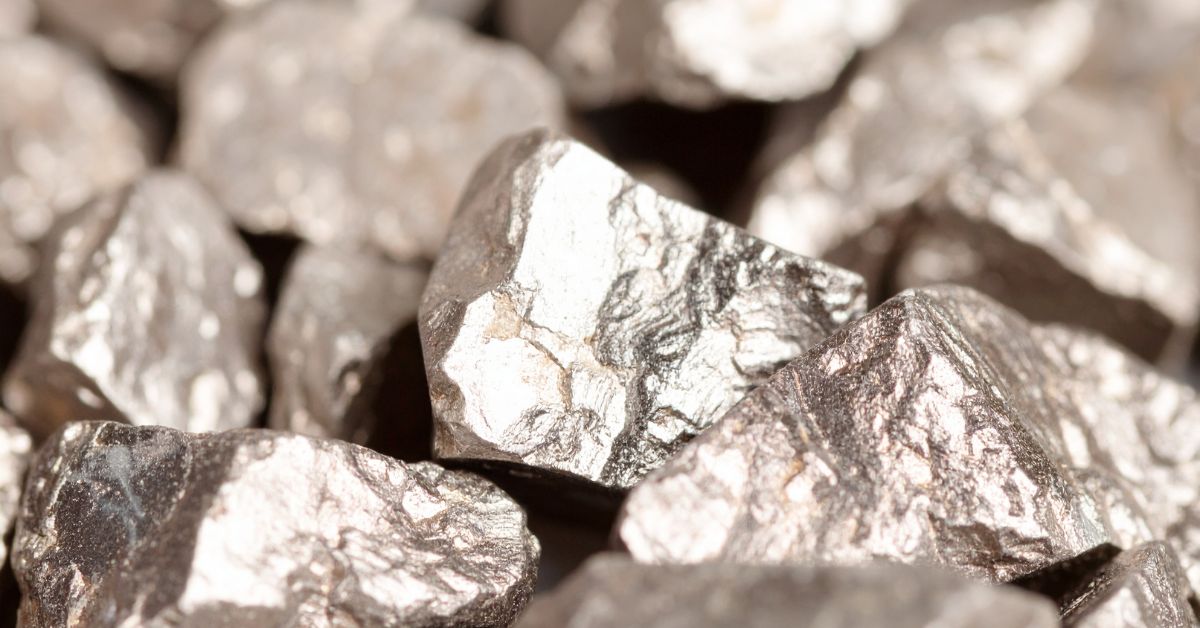
Platinum group metals have become South Africa’s most important mineral export category.
In recent periods, they have overtaken gold as the single largest export by value in certain months or quarters.
The group includes platinum, palladium, and rhodium.
These metals are essential for catalytic converters in vehicles, hydrogen fuel cell technology, and various industrial and jewelry applications.
Main buyers are major auto-manufacturing economies: Germany, the United States, Japan, and China.
Key Fact: South Africa holds roughly 90% of the world’s known platinum group metal reserves, concentrated almost entirely in the Bushveld Complex. No other country comes close. This concentration gives South African producers significant influence over global supply.
For traders, the story is one of leverage and risk. When a few major South African mines slow production, world prices move quickly. That dynamic creates opportunity on the sell side and volatility on the buy side.
2. Gold

Gold remains one of South Africa’s highest-value exports over a full year, even as mine output has declined for decades.
The country was once the world’s dominant gold producer.
Today, value comes more from price than volume.
Gold is used in jewelry, investment bullion, electronics, and medical devices that require its conductivity and corrosion resistance.
Leading destinations include China, India, the United Kingdom, and the United States.
Operator Note: Gold demand typically rises during periods of global uncertainty. South African gold exports have historically held their value better than many other commodities during economic downturns.
3. Cars And Auto Components

South Africa is a genuine vehicle manufacturing hub, not merely a parts supplier.
Global brands including BMW, Ford, Toyota, Volkswagen, and Mercedes-Benz operate assembly plants in the country.
Finished vehicles and components are shipped primarily to the European Union, with the United States as a significant secondary market.
Vehicle and component exports reached record levels in recent years, with values in the $9–12 billion range.
Trade Reality To Watch: Preferential market access to the United States has faced review. Any changes to that access directly affect margins on vehicles leaving South African ports.
4. Coal

Coal is not glamorous, yet it consistently earns South Africa several billion dollars annually.
The country exports high-grade thermal coal for electricity generation and metallurgical coal used in steel and cement production.
India is the largest single buyer, with growing demand across wider Asia, as some European buyers reduced purchases.
The real bottleneck is not demand, it is logistics.
Moving coal from inland mines to the Richards Bay export terminal depends on a rail network that has faced reliability challenges.
For anyone trading South African coal, securing logistics capacity is often more important than the commodity price itself.
5. Iron Ore
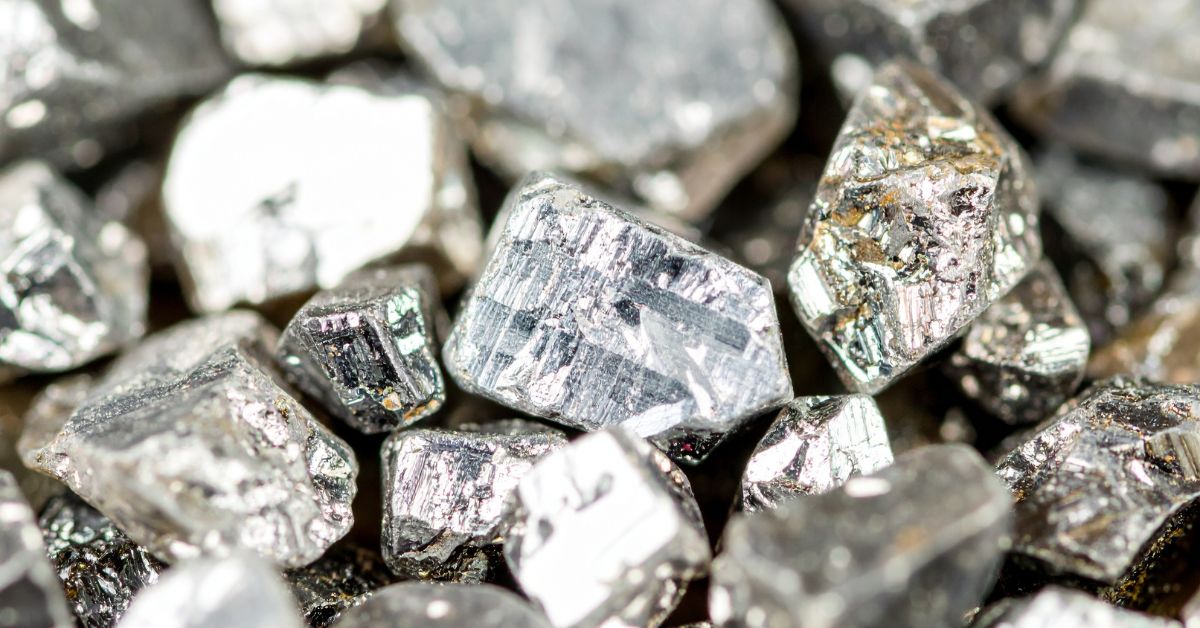
South Africa is a major iron ore exporter.
The country ships far more raw iron ore than finished steel products.
High-grade ore is mined inland and railed to Saldanha Bay for export.
China is by far the dominant buyer, which ties South African iron ore earnings directly to Chinese construction and manufacturing cycles.
Key Risk: When Chinese demand cools, this export stream feels the impact first. Single-market dependence is the primary price risk to factor into any deal.
6. Citrus Fruit

In 2025, South Africa became the world’s largest citrus exporter by volume, shipping more than 2.9 million tonnes and narrowly overtaking Spain.
This represented a 22% increase on the previous year and the first time the country exceeded 3 million tonnes in carton-equivalent terms.
Oranges remain the backbone, while soft citrus (mandarins) is the fastest-growing segment.
Lemons and grapefruit complete the mix.
South Africa’s advantage is counter-seasonal supply.
It fills shelves in the northern hemisphere during winter, when local fruit is unavailable.
Important 2026 Consideration: In August 2025, the United States imposed a 30% tariff on South African citrus, including oranges. Exporters accelerated shipments before the tariff took effect. If you are planning citrus deals in the US market, these tariff changes affect the economics. The EU, UK, Middle East, and Asia remain cleaner and more straightforward markets.
7. Wine

South Africa has produced wine for more than 300 years and offers one of the more accessible export categories for smaller traders.
The Stellenbosch and Franschhoek regions produce internationally awarded reds, whites, and sparkling wines.
The country grows more Chenin Blanc than anywhere else in the world, and Pinotage is a grape variety developed in South Africa.
Buyers in Europe, Asia, and North America value South African wine for its quality-to-price ratio.
Critical Trade Angle: The split between bulk and bottled wine. Bulk wine competes primarily on price and volume. Bottled wine carries brand value and higher margins. Understanding which format your buyer actually wants determines the entire negotiation.
8. Diamonds

South Africa’s diamond legacy is world-famous, even though its share of global production has declined from historic peaks.
The industry produced legendary stones, from the Eureka Diamond in 1867 to the Cullinan, the largest gem-quality rough diamond ever found.
Beyond jewelry, industrial diamonds remain essential for cutting, grinding, and drilling applications.
Belgium, the United Arab Emirates, and Hong Kong serve as long-standing trading hubs for South African stones.
Compliance Baseline: The Kimberley Process certification scheme governs conflict-free trade. Compliance is now a standard requirement rather than a differentiator. Treat it as the cost of market entry.
9. Processed Foods

South Africa exports more than fresh produce. Its processed food sector includes several products with genuine international demand.
Standouts include rooibos tea, canned and dried fruit, fruit juice, and biltong.
Rooibos is particularly strong because it grows commercially in only one place on earth, the Cederberg region of South Africa.
This gives it a built-in origin story that few products can match.
Buyers value South African processed foods for their quality and strong food safety standards.
Trader Opportunity: Single-origin products like rooibos are easier to differentiate because no other country can supply the genuine article.
10. Chemical Products

South Africa has a developed chemical industry supported by large domestic producers.
Exports range from fertilizers and plastics to industrial and specialty chemicals.
Neighboring African countries are the largest buyers, making this primarily a regional trade flow rather than a long-haul one.
Europe and Asia also take meaningful volumes.
Opportunity Area: Selling South African chemicals into the rest of Africa is often simpler and more competitive than trying to win the same buyers in Europe.
11. Timber And Wood Products
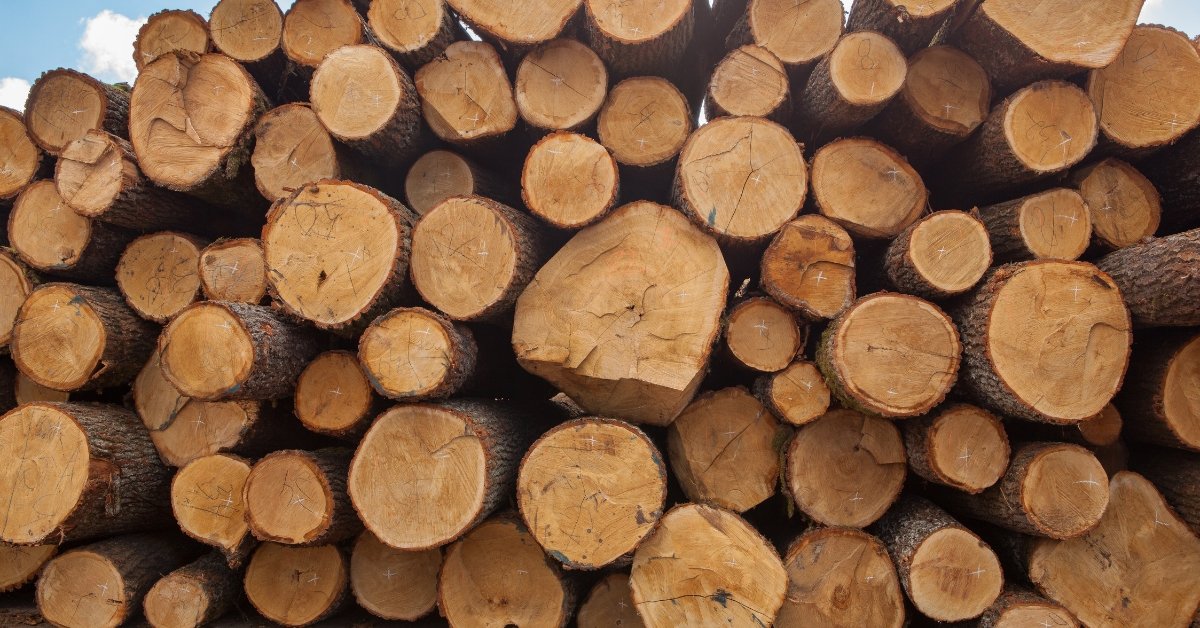
South Africa’s forestry sector supplies pulp, paper, woodchips, and processed wood products to global markets.
Large integrated producers manage plantations and mills that serve both domestic needs and exports.
Europe and Asia take the bulk of the volume.
Sustainable and certified forestry is becoming an increasingly important requirement, especially for European buyers.
This is a steady, lower-margin category that works best at scale rather than as a small first deal.
Conclusion
South Africa’s export strength is concentrated.
A handful of product categories carry most of the value.
Metals and energy, led by platinum group metals, gold, coal, and iron ore, are the heavyweight earners.
These categories typically require serious capital, established logistics relationships, and tolerance for price volatility.
Fresh produce, wine, and certain processed foods are where smaller exporters can realistically begin.
Volumes are more flexible, counter-seasonal timing creates steady demand, and barriers to entry are lower.
The smartest approach is to match your capital, risk appetite, and operational capabilities to the right tier.
Chase the product category that fits your business, not necessarily the one that gets the most headlines.
Whether you move full containers or want to understand how global supply chains actually function, South Africa remains one of the clearest examples of how a single country can shape world markets in multiple commodities.
Planning to source or trade any of these products?
The logistics, compliance requirements, and buyer dynamics differ sharply by category.
Feel free to share your specific interest in the comments or reach out directly.
About Author