

Table Of Contents
Canadian Products
Canada is known for its mountains, its friendly people, and its love of hockey.
It is also one of the most important trading nations on the planet.
The country sells everything from breakfast-table favourites to advanced aircraft parts.
Many of these goods quietly lead their categories in global markets.
If you are looking at where the real export strength sits, Canada is a good place to start.
Below are eleven Canadian products that stay in steady demand around the world, along with a clear look at who buys them and why.
One honest note before we begin.
Some of these are goods a trader can realistically source and ship, such as foods and raw materials.
Others, such as aircraft parts and refined gold, are large-scale industrial trades that require serious capital and licensing.
We have flagged the difference along the way so the list is useful, not just impressive.
1. Maple Syrup, The Sweet Symbol Of Canada

If one product says Canada more than any other, it is maple syrup.
Canada produces more than three-quarters of the world’s maple syrup, and the vast majority comes from the province of Quebec.
Very few places on Earth make it on a commercial scale.
This is no longer just a topping for pancakes.
Chefs use it in baking, glazes, sauces, and even cocktails, and health-focused shoppers like that it is a natural sweetener.
Canadian maple products reach dozens of countries.
The United States buys the largest share by far, followed by long-standing markets such as Germany, the United Kingdom, Australia, France, and Japan.
For a trader, the appeal is simple.
The product is natural, it carries a premium image, and it travels well.
It is also one of the more accessible items on this list to source and sell.
2. Canola Oil, A Healthy Cooking Staple

Canola oil is one of Canada’s biggest agricultural success stories.
Canada is the world’s leading producer, accounting for roughly a quarter of global supply.
Canola consistently ranks among the country’s most valuable farm exports.
Buyers like canola because it is low in saturated fat and a good source of healthy fats.
It is used in cooking, processed foods, cosmetics, and even biofuels.
The United States is a major market, with strong demand also coming from China, the European Union, and other parts of Asia.
There is a useful lesson built into this trade.
Because so much canola goes to a few large buyers, shifts in any one market move the whole picture.
For any exporter, that is a reminder that leaning on a single country is risky.
3. Seafood, A Catch The World Wants
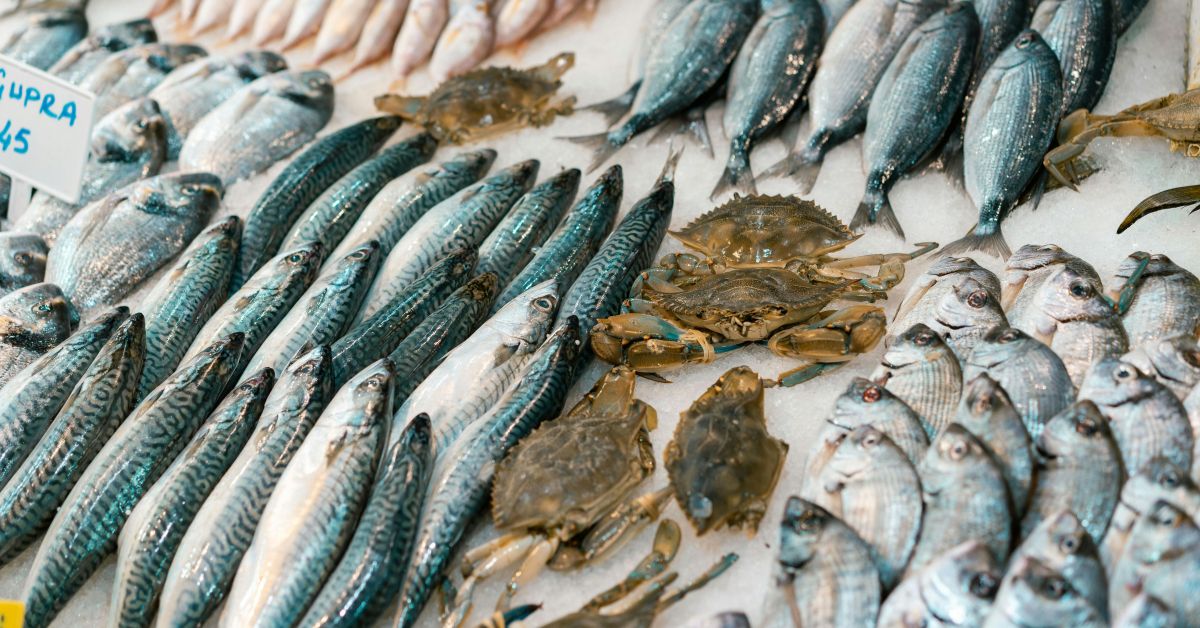
Canada’s cold, clean waters produce some of the finest seafood on the market.
Lobster, salmon, and snow crab are the headline products.
Much of the lobster comes from the Atlantic provinces, where it is a major part of the coastal economy.
Premium markets pay well for this quality.
China, Japan, and South Korea are strong buyers, and the United States remains a huge customer for live and frozen lobster.
The selling points are freshness, careful regulation, and a reputation for sustainable, wild-caught seafood.
In high-end restaurants around the world, Canadian seafood is treated as a luxury ingredient.
It is accessible to traders who can handle cold-chain logistics.
4. Softwood Lumber, The Backbone Of Construction

Canada is one of the largest lumber exporters on Earth.
Its softwood is used for house framing, furniture, and paper, and the country manages vast forests to maintain a steady supply.
When housing markets grow, demand for this wood grows with them.
The United States is the main buyer, with additional demand from China and Japan.
This sector also has a long history worth knowing about.
Trade in softwood lumber has been shaped for decades by disputes and duties between Canada and the United States.
It is a useful example of a market where trade policy can matter as much as product quality.
5. Ice Wine, A Rare And Luxurious Treat

Ice wine is one of Canada’s most special exports.
It is made from grapes left to freeze naturally on the vine, which concentrates their sugars and flavour.
Ontario and British Columbia produce some of the finest examples anywhere.
Very few places have the right climate to make authentic ice wine, and that rarity is exactly what gives it value.
China, Germany, and South Korea are notable buyers, and the product fits neatly into luxury gifting and fine dining.
For a small, high-value export, ice wine is hard to beat.
6. Pulses, The Plant Based Powerhouse
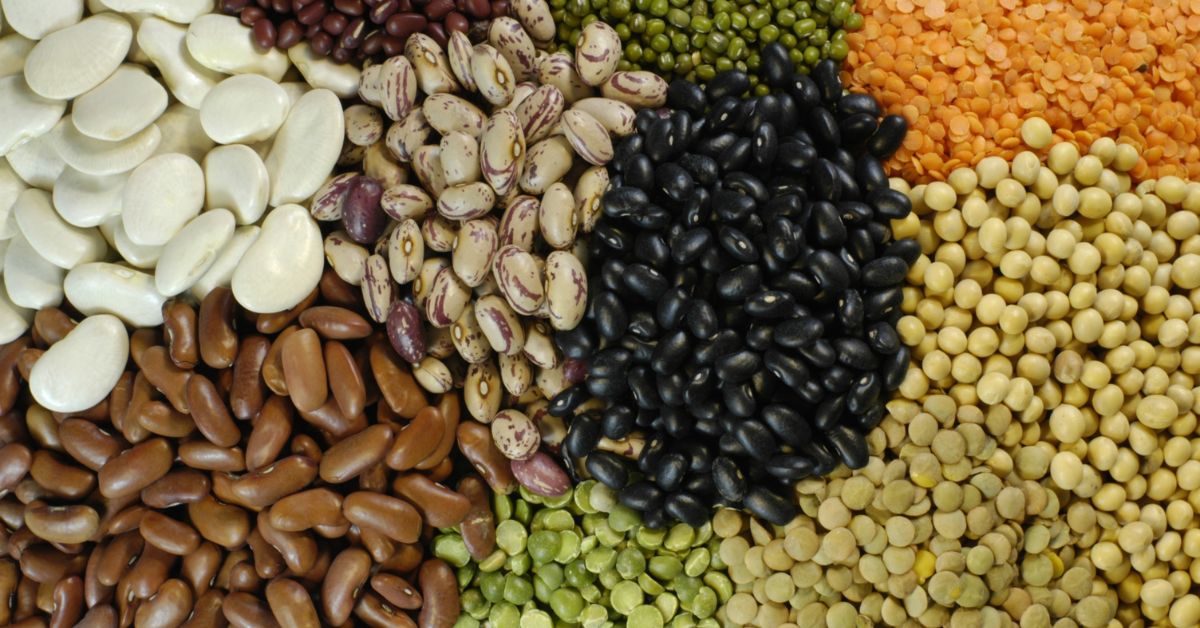
Lentils, peas, and beans may look humble, but they are a major Canadian export.
Canada is the world’s largest exporter of lentils and a leading supplier of peas.
As plant-based diets grow worldwide, these protein-rich foods stay in strong demand.
India is the largest market for lentils, with steady additional demand from Turkey, the United Arab Emirates, and other regions where pulses are a kitchen staple.
The appeal for buyers is clear.
Pulses are high in protein, naturally gluten-free, affordable, and central to many of the world’s cuisines.
They are also among the easier goods to trade in bulk.
7. Aerospace Technology, Canada’s Quiet Achiever

Not every Canadian export comes from a farm or a forest.
Canada is home to respected aerospace companies, and it exports aircraft, engines, and components to manufacturers and airlines worldwide.
The United States is the largest aviation market, with steady demand from aerospace hubs in France and the United Kingdom.
A word of realism here.
This is advanced, high-value technology, and it is not an easy market to enter.
It suits established industrial players rather than newcomers, but it shows the depth of what Canada produces beyond raw materials.
8. Gold And Precious Metals: A Store Of Value

Canada is a leading producer of gold and other precious metals.
It exports gold, silver, and platinum worldwide, and buyers value Canadian gold for its purity and reliability.
In uncertain times, demand for precious metals often rises.
Switzerland, a global refining centre, is a key destination for investment and jewellery, along with the United States and the United Kingdom.
Like aerospace, this is a capital-heavy, tightly regulated trade rather than an easy entry point.
Precious metals hold their value over the long term, which is why they rarely go out of fashion.
9. Pharmaceuticals And Medical Equipment

Canada’s healthcare exports are a steady strength.
The country ships medicines, vaccines, and medical devices to markets that trust its strict safety and quality standards.
As populations age and healthcare systems expand, this demand keeps climbing.
The United States is a major market, with growing demand from Germany, China, and other countries investing in better healthcare.
For traders, the strength here is trust, though the licensing and compliance requirements are demanding.
Buyers want reliable, well-regulated medical products, and Canada has built a strong reputation for exactly that.
10. Renewable Energy Technology

As the world shifts toward cleaner power, Canada is well placed to supply it.
The country is a leader in hydroelectric power and has growing expertise in wind and solar technology.
Nations building greener energy systems look for proven solutions, and Canada has them.
Germany is a major buyer of renewable energy technology, and emerging green-energy markets such as India and Brazil offer real growth.
This is a forward-looking export.
The global move to clean energy is a long-term trend, and that points to lasting demand for the technology behind it.
11. Beef And Pork, Premium Quality Meat

Canada is known for high-quality beef and pork.
Its meat is produced under strict safety and quality rules, which is exactly what careful buyers want.
Asian markets in particular value this reliability.
Japan and South Korea are strong buyers of premium beef, while China imports large volumes of pork.
The selling point is consistency.
Buyers know what they are getting, and that confidence keeps Canadian meat in demand across major markets.
Quick Comparison Of Canada’s Top Exports
This table sorts the eleven products by how easy they are to enter as a trade, which is often more useful than the headline numbers.
| Product | Entry | Markets |
|---|---|---|
| Maple syrup | Accessible | United States, Germany, UK, Japan |
| Pulses | Accessible | India, Turkey, UAE |
| Canola oil | Accessible at scale | United States, China, EU |
| Seafood | Needs cold-chain logistics | China, Japan, South Korea, US |
| Beef and pork | Needs cold-chain and licensing | Japan, South Korea, China |
| Ice wine | Niche, high value | China, Germany, South Korea |
| Softwood lumber | Established trade, policy-sensitive | United States, China, Japan |
| Renewable energy tech | Specialised | Germany, India, Brazil |
| Pharmaceuticals | Heavily regulated | United States, Germany, China |
| Aerospace technology | Industrial scale only | United States, France, UK |
| Gold and precious metals | Capital-heavy, regulated | Switzerland, United States, UK |
Why Trade Rules Always Matter
Whatever you choose to trade, the rules around it shape your success as much as the product itself.
Tariffs and trade agreements change often.
Heavier trade measures tend to land on goods such as metals, vehicles, and lumber.
At the same time, everyday foods and raw materials usually move more freely, especially between countries that share a trade agreement.
The smart approach is timeless.
Spread your sales across several markets so one policy change cannot sink your business. Keep your paperwork and trade compliance in good order.
Then compete on the things buyers always value: quality, safety, and consistency.
Canada’s strongest exports succeed because they offer all three, year after year.
Trivia Time
Here is a fact that surprises most people. Quebec runs a Global Strategic Maple Syrup Reserve, a giant stockpile of syrup held in warehouses to steady prices and cover shortfalls in low-harvest years. It works a little like an oil reserve, only much sweeter, and it holds tens of millions of pounds of syrup at a time.
Final Thoughts
Canada offers a rare mix of natural resources, food quality, and advanced technology, and that combination is exactly why its exports stay in demand.
Whether your interest is food, raw materials, luxury goods, or technology, there is a Canadian product with a real global market behind it.
The smart move is to understand the demand, choose a trade that fits your means, and focus on quality that buyers will pay for.
We hope this guide gave you a clear and useful starting point.
If you enjoyed it, take a look at our other articles for more friendly, practical insights into world trade.
There is always more to explore.
About Author