

Table Of Contents
The USA and India share one of the world’s largest and fastest-growing trade relationships.
While goods move in both directions, US exports to India reveal exactly what a rapidly expanding economy needs but cannot yet produce at scale.
This guide examines the structural side of that trade, the product categories that appear year after year, and the enduring demand drivers behind them.
The Current Shape Of USA India Trade

India is a large, growing market.
The United States is a deep and diversified supplier.
This natural match continues to drive steady growth in American exports.
In 2025, US goods exports to India reached $45.6 billion.
The total two-way goods trade exceeded $149 billion.
When services are included, the overall economic relationship is significantly larger.
Both governments have repeatedly expressed their ambition to reach much higher levels of bilateral trade.
The direction remains upward, even when tariffs or political differences create short-term friction.
The real story is structural.
India imports from the United States because it needs energy, advanced technology, capital goods, and high-quality inputs to support its own industrial and consumer growth.
What The USA Exports To India
A small number of categories account for the majority of the value.
While rankings shift slightly from year to year, the core list has remained stable for years.
Energy: Crude Oil, LNG, And Refined Fuels
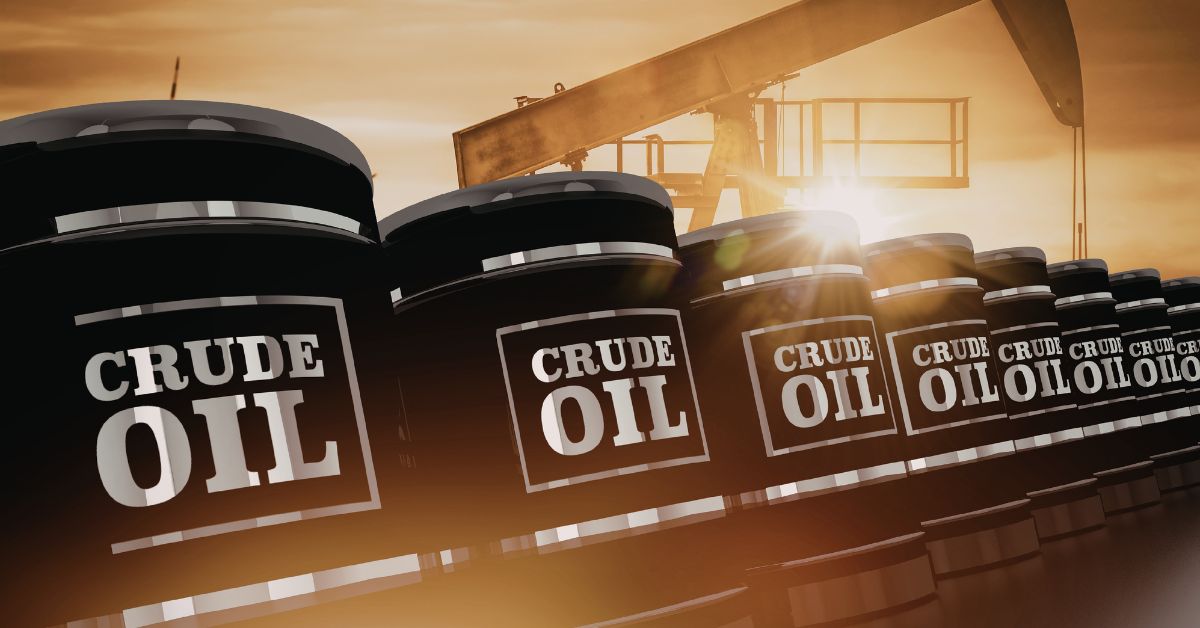
Energy is usually the largest single category. I
ndia imports crude oil, liquefied natural gas (LNG), and refined petroleum products from the United States.
India has a large refining industry and a fast-growing economy, but domestic oil and gas production is insufficient to meet demand.
American energy supplies help India diversify its sources and maintain energy security.
Gems And Precious Stones

India is the global hub for diamond cutting and polishing.
To sustain this world-leading industry, it imports rough diamonds and precious stones, including significant volumes from the United States.
Much of this material is processed in India and re-exported as finished jewelry.
The trade is driven more by manufacturing needs than by domestic consumption.
Aircraft, Aerospace, And Defense Equipment

Indian airlines have placed some of the largest aircraft orders in aviation history.
This demand drives imports of commercial aircraft, spare parts, and aerospace components from American manufacturers.
Defense cooperation has also increased.
As strategic ties deepen, India has become a growing buyer of American defense systems and related equipment.
Machinery And Electrical Equipment
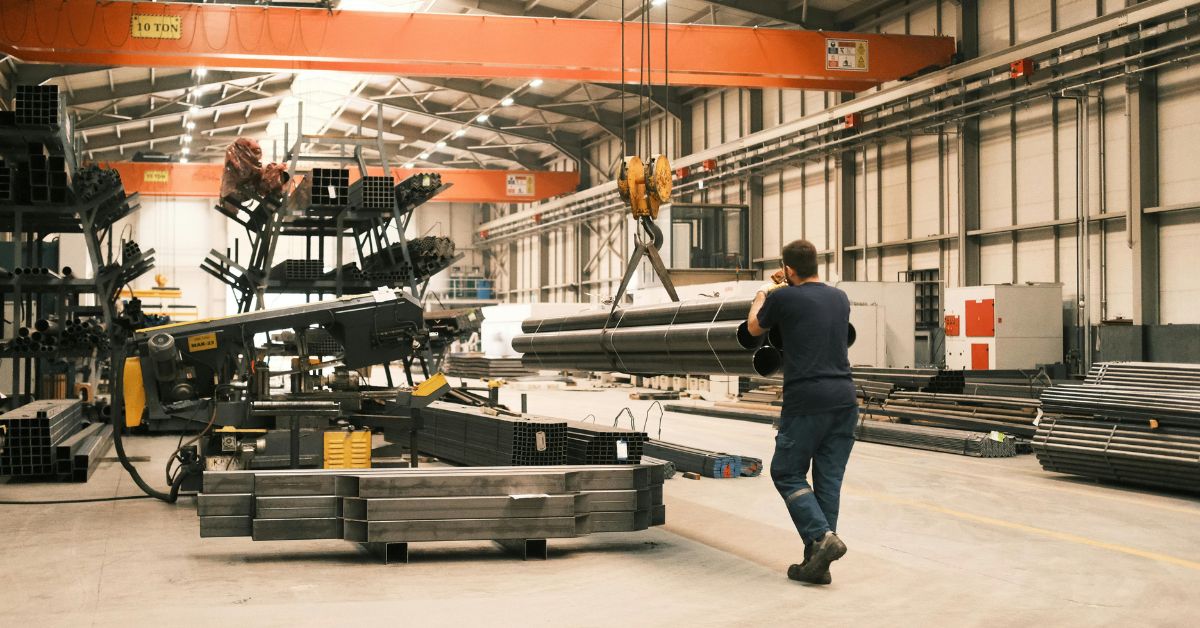
Industrial machinery, electrical equipment, and precision instruments form a steady and important category.
These goods support Indian factories, infrastructure projects, power generation, and technology companies.
This is a classic capital goods trade.
India buys the tools and technology it needs to expand its own manufacturing and export capabilities.
Almonds, Nuts, And Other Agricultural Products
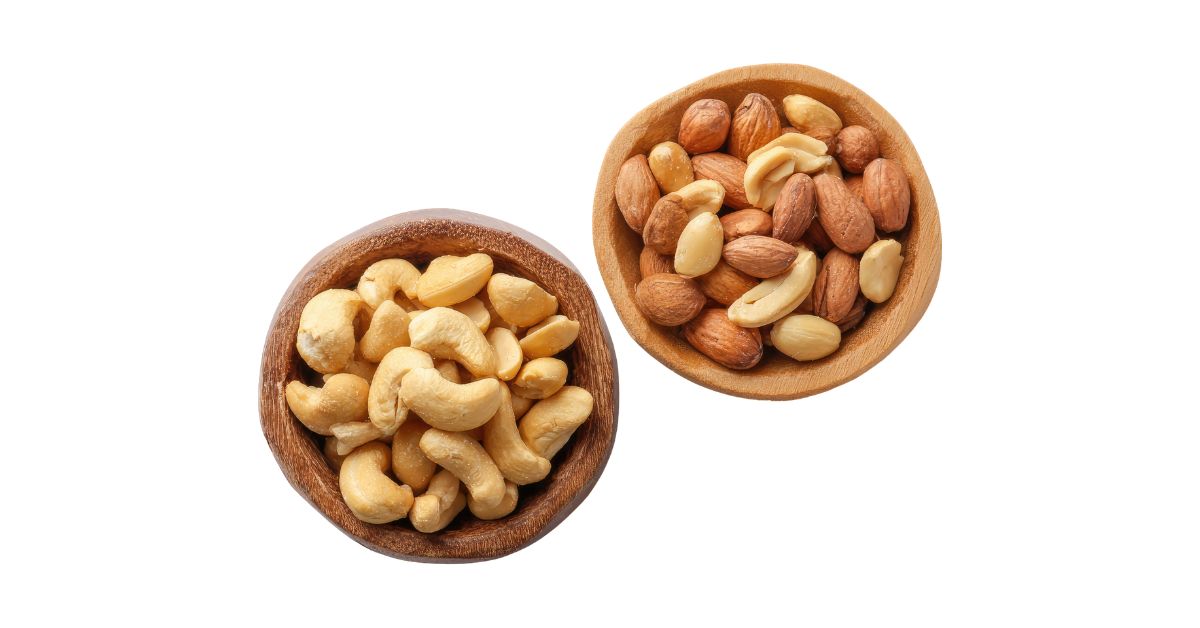
Agricultural products represent a quieter but reliable category.
The United States is the dominant supplier of almonds to India, as well as pistachios, walnuts, and certain fruits.
What was once mainly a festive or gift item has become a regular part of urban diets.
Rising incomes and greater health awareness continue to support steady demand.
Medical Devices, Chemicals, And Related Inputs

Advanced medical equipment, organic chemicals, and specialty plastics complete the picture.
These products serve Indian hospitals, the large pharmaceutical manufacturing sector, and broader industrial applications.
Why India Keeps Importing American Goods
The categories above explain what moves.
The reasons below explain why the demand is structural and likely to persist.
- Energy demand keeps rising: A growing economy and population require more energy. India prefers multiple suppliers rather than depending on just a few sources.
- Aviation is expanding rapidly: New airlines, new routes, and massive fleet orders are driving long-term demand for aircraft and parts.
- Industrial ambition requires tools: India wants to manufacture more at home. This requires imported machinery, instruments, and technology.
- Consumer habits are shifting: A larger, more affluent middle class is buying more nuts, premium foods, medical devices, and high-quality goods.
- Quality and reliability matter: American suppliers have built a strong reputation for consistency and quality, which helps them retain market share even when lower-priced alternatives exist.
How Tariffs And Policy Affect The Flow
Trade between the two countries does not move in a straight line.
Tariffs, negotiations, and political developments can accelerate or slow volumes in any given year.
Periods of tension can lead to higher duties and reduced trade.
Periods of cooperation can lower barriers and open new categories.
Over the long term, however, the underlying demand has proven stronger than short-term policy disputes.
For businesses involved in this trade, the lesson is clear: watch policy changes carefully, but build around structural needs rather than reacting to every headline.
What This Means For Traders And Buyers
If you work in import-export or sourcing, the most durable opportunities lie in the categories that meet ongoing needs: energy, capital goods, gems, agricultural products, and healthcare inputs.
These are not passing trends.
They reflect India’s long-term development priorities.
The smartest approach is to build reliable supply relationships around these needs while staying flexible on timing.
Tariff windows open and close, but the underlying demand rarely disappears.
Key Takeaways
- US goods exports to India reached $45.6 billion in 2025, led by energy, gems, machinery, aircraft, and agricultural products.
- Demand is driven by India’s energy security needs, aviation growth, industrial expansion, and rising consumer incomes.
- Quality, reliability, and technological edge help American products maintain strong positions even against lower-priced competitors.
- Policy and tariffs can create short-term volatility, but structural demand has proven resilient over time.
- For importers and traders, focusing on these core categories offers more stable, long-term opportunities than chasing temporary trends.
Quick Trivia
Close to 93% of the almonds imported by India come from the United States. A product that once appeared mainly on festive tables has become a regular part of daily diets in millions of Indian households.
About Author