
Table Of Contents
Karnataka is one of India’s strongest and most diverse export states.
While the world often associates the state with Bengaluru’s IT industry, its real export strength lies in its farms, forests, quarries, and factories.
From the coffee hills of Kodagu and Chikmagalur to the silk looms of Mysuru, granite belts, spice estates of the Western Ghats, and precision engineering units around Bengaluru, Karnataka offers a rare mix of agricultural, traditional, and high-value industrial products.
If you are planning to start exporting or want to add a new product line, here are 8 of the most profitable products you can export from Karnataka right now, along with why they work and how to approach them.
1. Coffee: Karnataka’s Global Signature

Karnataka produces nearly 71% of India’s total coffee, making it the country’s undisputed coffee capital.
The estates of Kodagu (Coorg), Chikmagalur, and Hassan grow both high-quality Arabica and Robusta beans.
Global demand for Indian coffee remains strong, especially from Italy, Germany, Belgium, the Middle East, and emerging markets.
Specialty and single-origin coffee with traceability and consistent cupping scores command significantly higher prices than bulk commodity lots.
Exporter Tip: Focus on estate-specific or single-origin lots with proper grading and third-party certifications. Buyers in premium segments are willing to pay more for transparency and consistent quality.
2. Mysore Silk: Heritage With Premium Value

Karnataka is India’s largest mulberry silk producer, and Mysore silk carries strong brand recognition worldwide.
The state supports the complete value chain, from cocoon rearing to finished sarees and fabrics.
Markets in the USA, UAE, UK, and Europe continue to value authentic handwoven silk with clear origin stories.
The real opportunity lies in story-driven, GI-tagged, and sustainably produced silk rather than mass-produced fabric.
Exporter Tip: Highlight the weaver community, traditional techniques, and GI tag in your marketing and product storytelling. Buyers in premium segments pay more for authenticity and traceability.
3. Granite And Dimensional Stone: High-Margin Potential

Karnataka has some of the richest granite deposits in India, offering a wide range of colors and textures popular in construction and architecture.
Major markets include China, the USA, Europe, and the Gulf countries.
While raw blocks still move in volume, the highest margins come from value-added products, cut-to-size, polished slabs, and finished stone products.
Exporter Tip: Invest in processing and quality finishing. Moving from rough blocks to polished and fabricated stone can significantly improve your profitability per shipment.
4. Incense Sticks (Agarbatti): Steady Global Demand

Mysuru and the surrounding areas form the heart of India’s incense stick industry.
Karnataka produces a large share of the agarbatti exported from India.
Steady demand exists in the USA, Gulf countries, Malaysia, and parts of Africa for both traditional and modern fragrance ranges.
The fastest-growing segment is natural, charcoal-free, and wellness-focused incense with clean labeling and appealing packaging.
Exporters who invest in branding and retail-ready packs are seeing better margins.
Exporter Tip: Develop your own signature fragrance blends and focus on attractive, retail-ready packaging. This segment rewards strong branding and consistent quality more than price competition.
5. Engineering And Aerospace Components: High-Value Opportunity

Bengaluru and its surrounding industrial belt have developed a strong ecosystem of precision engineering, machine tools, and aerospace component manufacturers.
Global buyers in the USA and Europe source machined parts, castings, and sub-assemblies from Karnataka for its consistent quality and technical capabilities.
This is a high-value, relationship-driven segment where reliability and meeting tight tolerances matter more than the lowest price.
Exporter Tip: Focus on building long-term relationships with overseas manufacturers. Strong quality systems, documentation, and on-time delivery can lead to repeat orders and higher margins over time.
6. Malnad Spices: Pepper And Cardamom From The Western Ghats
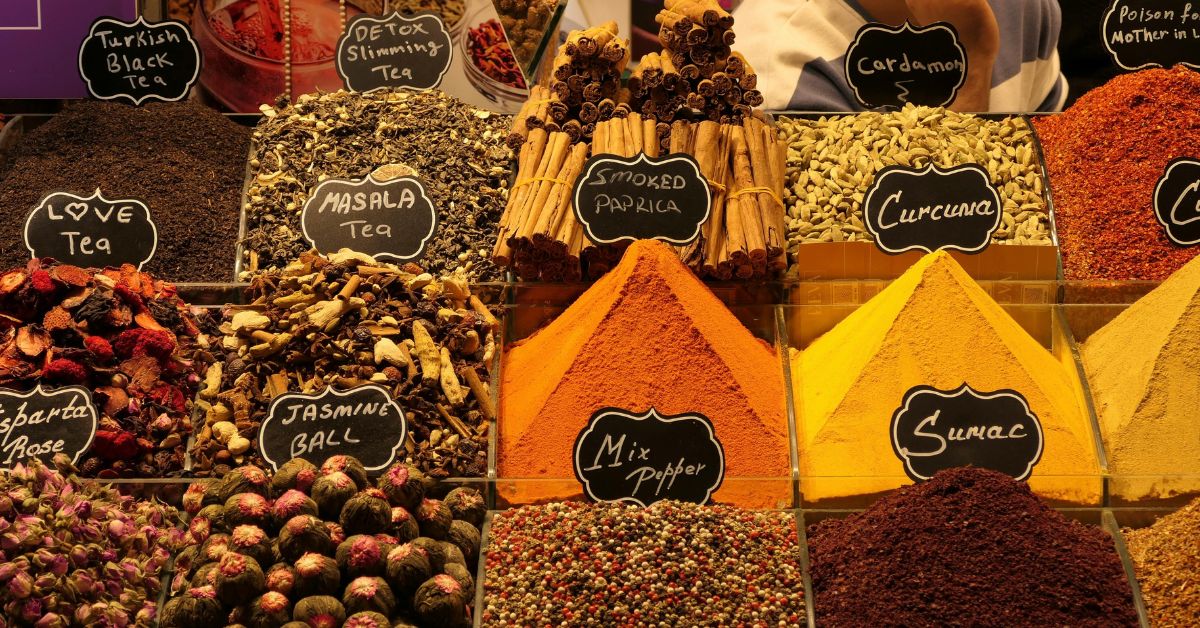
The Malnad region of Karnataka produces some of the finest black pepper and cardamom in India.
The cool climate and elevation of the Western Ghats give these spices excellent aroma and quality.
The USA, Europe, and Gulf countries remain strong markets, especially for organic, traceable, and single-estate spices.
Health-conscious buyers are increasingly willing to pay premium prices for spices with verified origin and clean processing.
Exporter Tip: Obtain organic or traceability certification. Single-estate or GI-linked spices consistently fetch better prices than blended bulk lots.
7. Cashew Kernels: Coastal Karnataka’s Reliable Earner
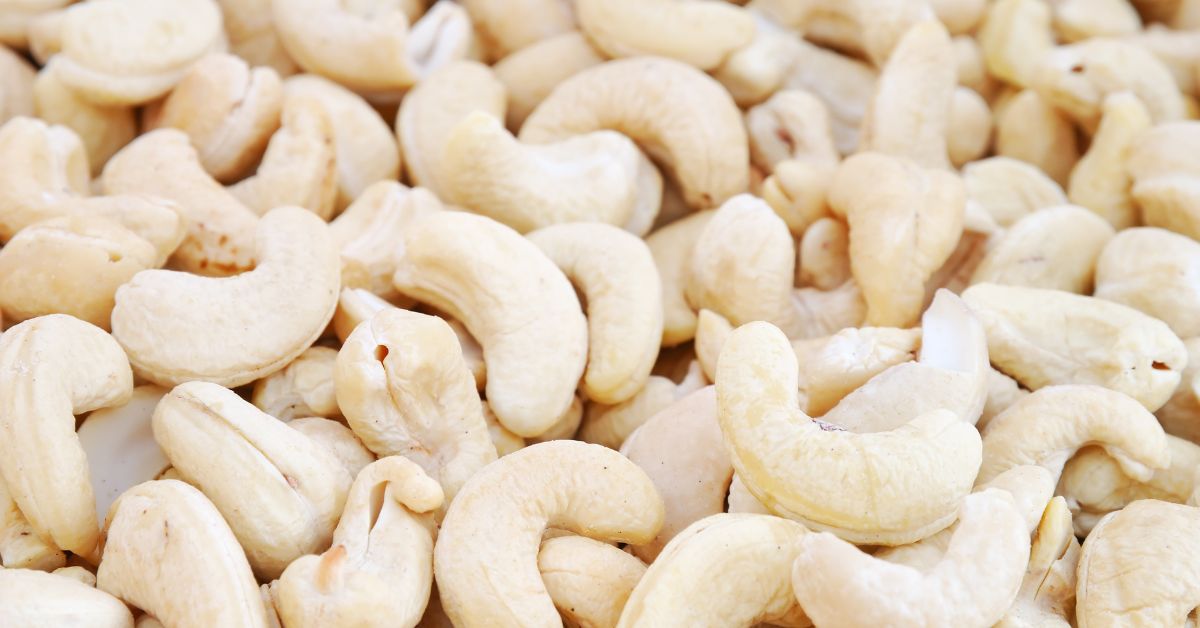
Coastal districts near Mangaluru and Karwar have a long-established cashew processing industry.
Units here grade, process, and pack kernels for export.
The USA, the Middle East, and Europe are consistent buyers of Indian cashew kernels.
Profitability increases significantly when you move from raw nuts to graded kernels and value-added retail packs (flavored, roasted, or ready-to-eat).
Exporter Tip: Focus on consistent grading, food-grade packaging, and proper moisture control. These factors turn one-time buyers into regular, long-term customers.
8. Floriculture: Fresh Flowers From Bengaluru’s Belt
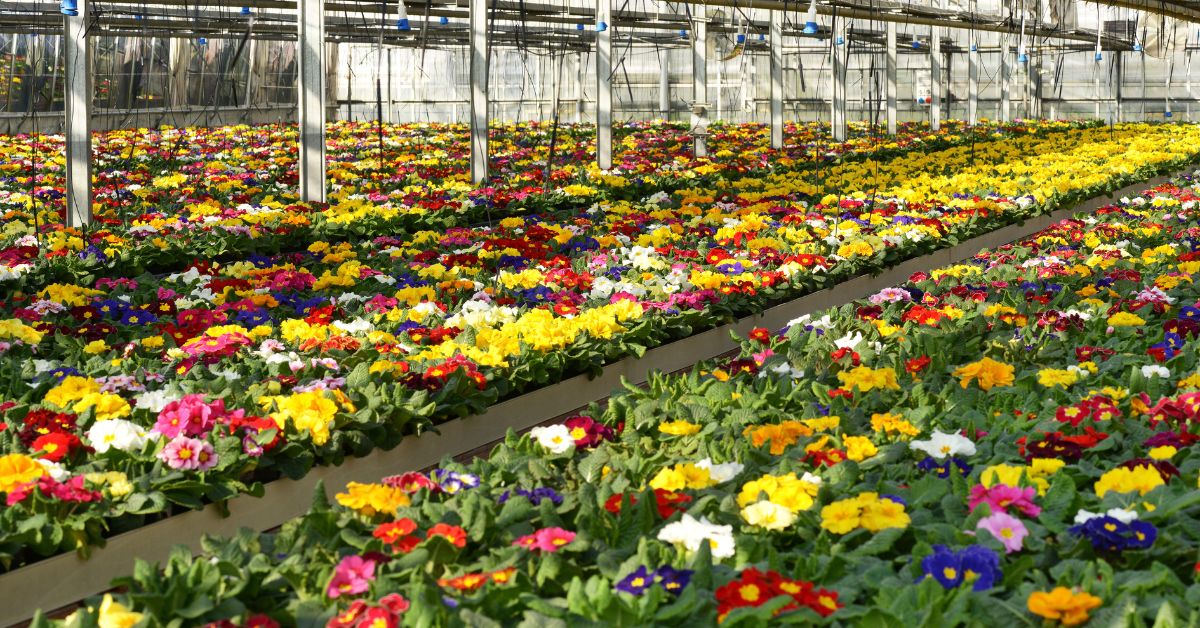
The region around Bengaluru has emerged as a major hub for cut flowers, particularly roses, supported by good cold chain infrastructure and auction facilities.
Europe, the Gulf, Japan, and Australia import Indian flowers, with peak demand during festivals and wedding seasons.
Because flowers are highly perishable, success depends heavily on speed, temperature-controlled logistics, and proper post-harvest handling.
Exporters who master cold chain management and meet international quality standards earn strong returns.
Exporter Tip: Prioritize reliable cold chain logistics and proper packaging. Consistent quality and timely delivery are what separate profitable floriculture exporters from those who face high rejection rates.
How To Start Your Export Journey From Karnataka
Starting an export business from Karnataka is very much doable if you follow a clear process:
- Register your business and obtain an Importer Exporter Code (IEC) — this is mandatory for any export from India.
- Choose one product and one target market first. Study demand, pricing, regulations, and buyer expectations in that specific market before shipping anything.
- Connect with support institutions:
- Visvesvaraya Trade Promotion Center (VTPC) — the Karnataka government’s nodal agency for export promotion. They conduct training programs and guide new exporters.
- Commodity boards (Coffee Board, Spices Board, etc.) for product-specific support and market information.
- FIEO and local chambers for buyer linkages and export procedures.
- Focus on quality and consistency from your very first shipment. A satisfied buyer is your best source of repeat business and referrals.
- Build gradually. Start with one reliable buyer or market corridor, deliver on time and as promised, and let your reputation grow.
Conclusion: Karnataka Offers Real Opportunities
Karnataka is not dependent on a single product or sector.
It offers everything from premium agricultural products and traditional crafts to high-precision engineering components, all from within one state.
The exporters who succeed here are those who deeply understand their product, choose the right market, maintain consistent quality, and build trust with overseas buyers.
Every well-executed shipment does more than generate revenue; it carries a piece of Karnataka’s capability to the world.
Final Thought
“The best exporters do not chase every opportunity. They master one product, serve one market exceptionally well, and let quality and reliability do the rest.”
About Author