
Table Of Contents
Most lists of export products are written by people who have never filed a shipping bill.
This one is different.
I run an export business, and I have learned that a product looking profitable on a spreadsheet means very little.
What matters is the margin left after freight, duty, testing, and paperwork, and whether a real buyer is actually waiting on the other side.
India gives you a deep bench of products that pass that test.
The country has skilled makers, a strong supply of raw materials, and a reputation for trade that opens doors in dozens of markets.
Below are twelve products that sell well abroad and leave room for honest profit.
For each one, I have added the buyer markets that matter, the paperwork you cannot skip, a realistic sense of the margins after costs, and one practical caution that comes from real shipments.
Ayurvedic Products And Herbal Supplements
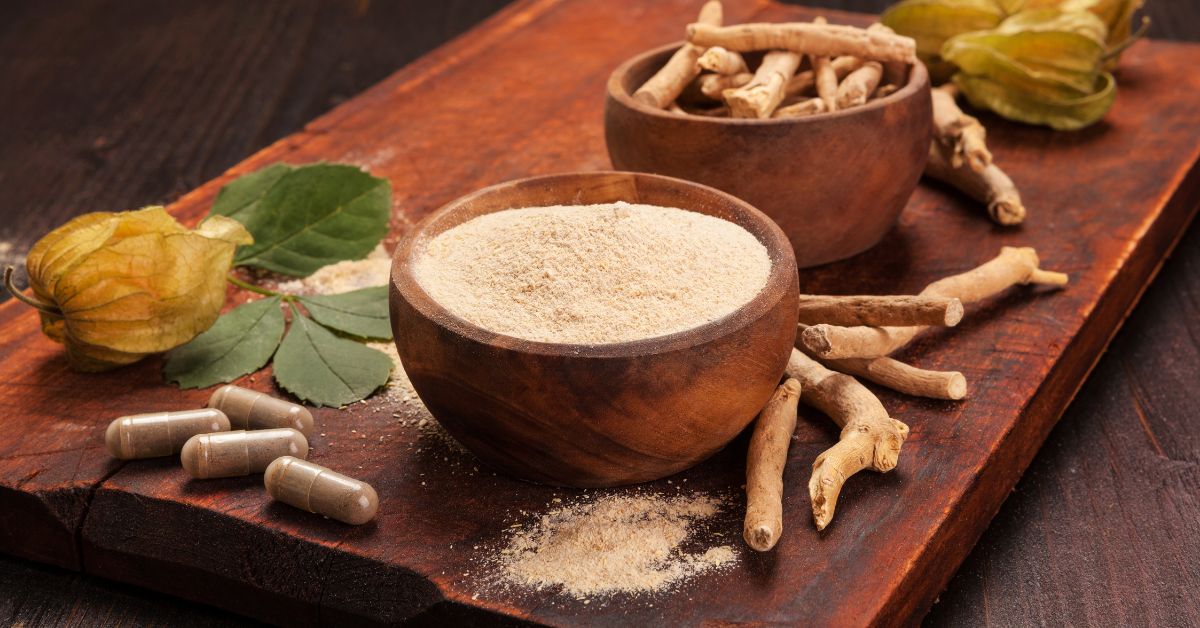
The world has moved toward natural wellness, and India sits at the center of that shift.
Ayurvedic skincare, herbal supplements, and cold-pressed oils now sell in pharmacies and supermarkets far beyond India.
The strongest buyer markets are the United States, Germany, and the United Arab Emirates.
Margins on branded, packaged Ayurvedic products are generally healthier than on raw commodities because you are selling a finished good with a story.
Labeling is where deals live or die.
The United States treats most of these goods as supplements or cosmetics, and the FDA is strict about health claims.
You cannot say a product treats, cures, or prevents a disease without risking rejection.
The specific trap that catches new exporters is the ingredient trap.
A preparation that is common and legal in India can be banned outright abroad if it contains certain heavy metals or unapproved claims.
Confirm both the ingredient list and the exact claim wording against the destination rules before you print a single label.
Organic Cotton Textiles

Sustainable fashion has moved from a trend to an expectation.
Buyers want organic cotton apparel, bedding, and home textiles, and India is the world’s largest producer of organic cotton.
Demand is strongest in the United States, the United Kingdom, the European Union, and Australia.
The certification buyers ask for by name is GOTS, the Global Organic Textile Standard.
Without it, your organic claim carries little weight with serious importers.
On finished textiles, margins are usually more comfortable than on raw fiber, often in the range of 15–30%, because design and stitching add value that the buyer is willing to pay for.
The catch is cost.
GOTS certification and the full chain of custody take time and money.
Price that into your quote rather than discovering it after you win the order.
Handcrafted Ethnic Jewelry
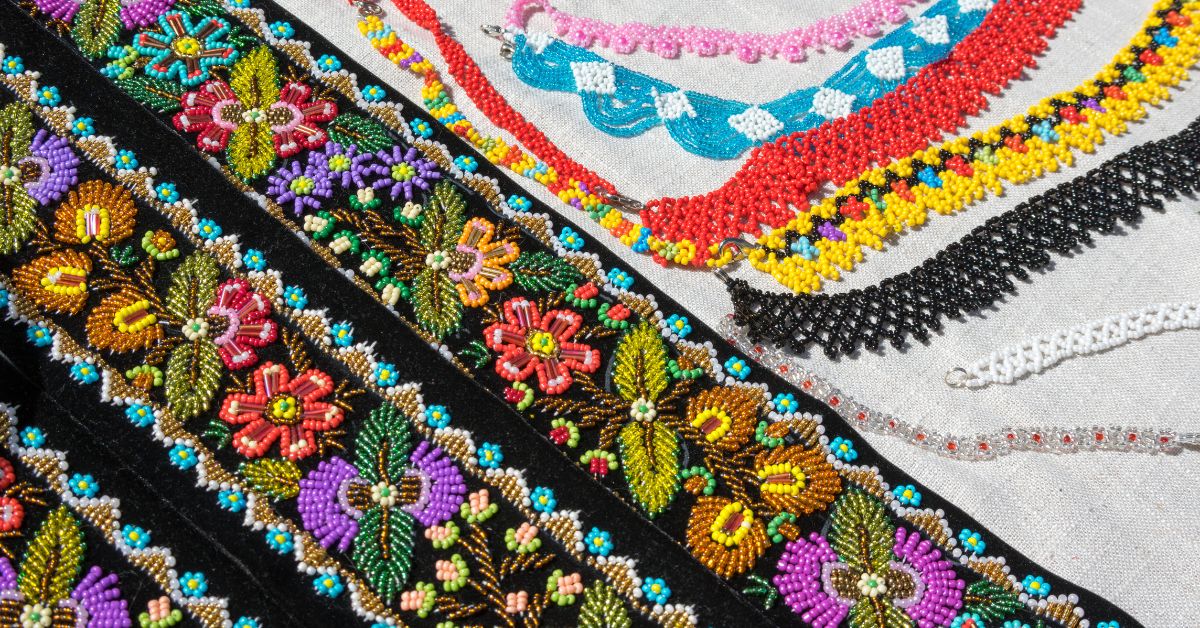
Few exports carry the markup that fine handwork does.
India has made jewelry for centuries, and Kundan, Meenakari, and temple pieces still command premium prices in markets that value craft over mass production.
India also polishes a very large share of the world’s diamonds, which helps keep the broader trade strong.
The leading buyer markets are the United States, France, and the United Arab Emirates.
Per-piece margins can be excellent, but turnover is slow, and cash sits in inventory.
Treat this as a patient, high-value line rather than a high-volume play.
For gold jewelry, hallmarking through the Bureau of Indian Standards matters.
For fashion and imitation jewelry headed to Europe, watch the nickel release limits; the EU restricts how much nickel a piece may release into contact with the skin.
The caution is documentation.
Metal purity and authenticity papers travel with the goods, and a missing certificate can stall an otherwise clean shipment.
Spices Including Turmeric, Cardamom, And Cumin
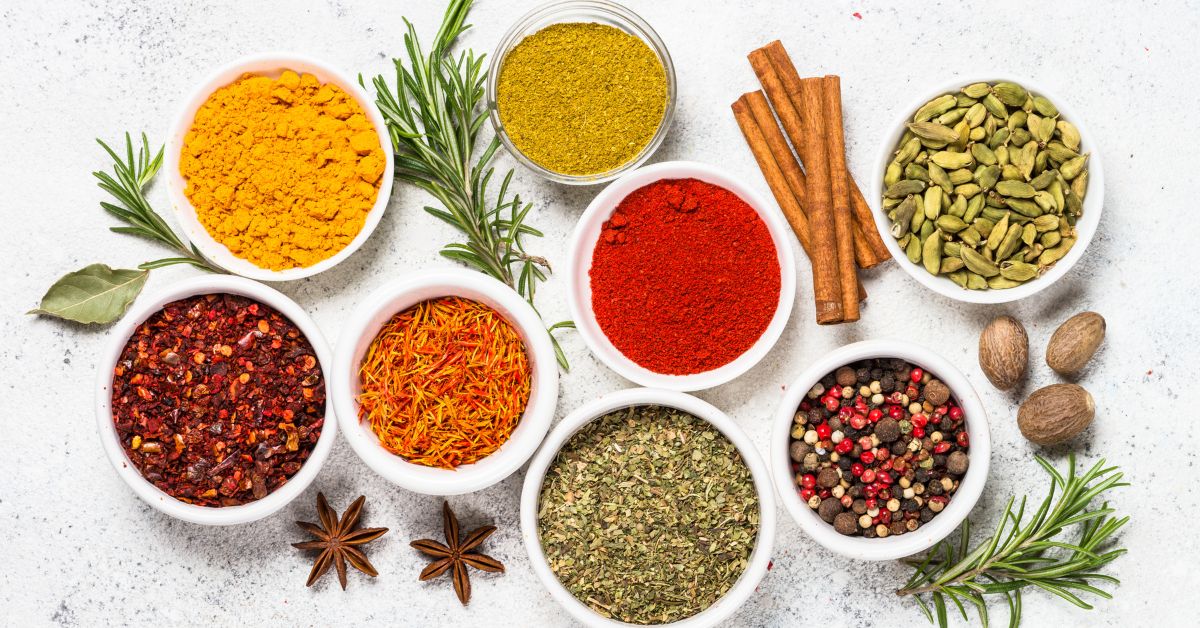
India is the largest producer and exporter of spices in the world, and turmeric, cardamom, and cumin lead the demand.
They move from home kitchens to large food brands, with strong buyer markets in the United States, the European Union, and the Middle East.
Be honest with yourself about the margins here.
Spices sit close to a commodity, so gross margins often land in the low double digits once freight, testing, and documentation are paid.
The volume can be large, but the percentage stays thin.
You will need to register as a spice exporter with the Spices Board and obtain an FSSAI license.
Just as important are pesticide residue limits; the European Union and the United States reject shipments that cross their maximum residue levels.
This is the caution I wish every newcomer understood: a single residue failure can send a whole container back, and there goes the profit on the entire consignment.
Test your lots before they sail, not after.
Incense Sticks Or Agarbatti

Indian incense has a calm, familiar aroma that travels well across cultures.
It sells for homes, temples, spas, and yoga studios, with the biggest buyers in the United States, the United Arab Emirates, and Southeast Asia.
The economics are friendly.
Production costs in India stay low, so the markup on finished incense abroad can be generous, although freight and duty will trim it before it reaches your pocket.
Standard export documents cover most of this trade, although some carriers classify incense and related items under specific rules for flammable goods.
The caution is taste.
Fragrance preferences vary widely by market, so send samples and let buyers choose before you commit to a large production run.
Premium Teas, Including Darjeeling And Assam
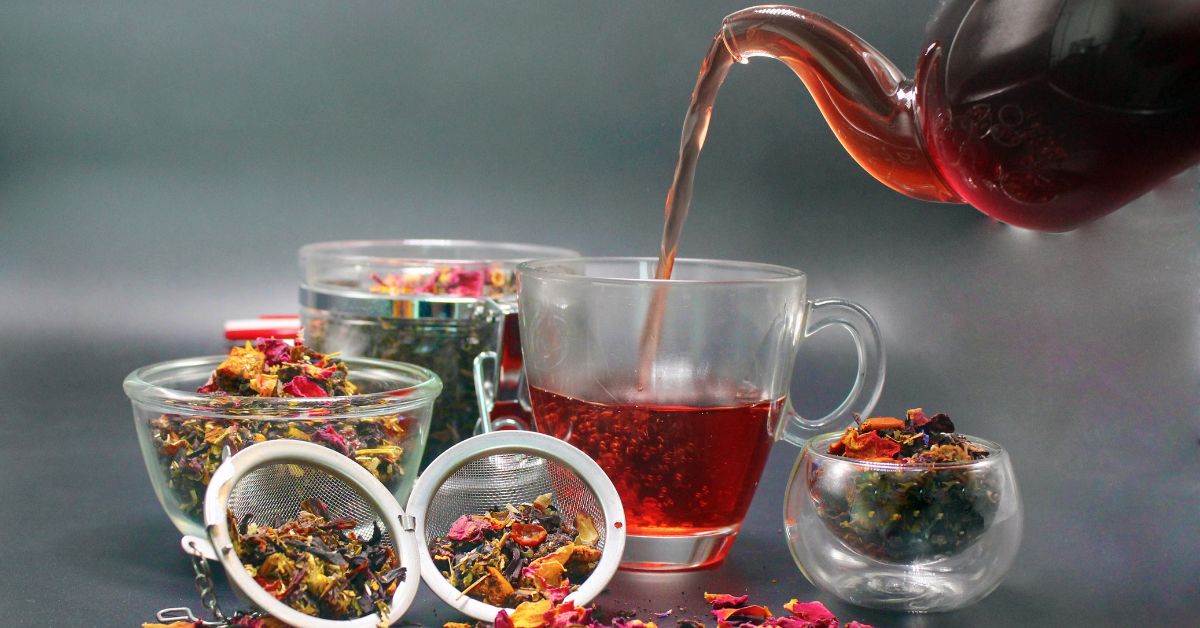
Tea is more than a drink.
In many countries, it is a daily ritual, making it a dependable export.
Darjeeling and Assam rank among the finest teas in the world, and Darjeeling carries a Geographical Indication tag that protects its name.
Strong buyer markets include the United Kingdom, Germany, Japan, Russia, and the United States.
Registration with the Tea Board and an FSSAI license covers the basics.
The Darjeeling name itself is protected, so use it honestly.
Margins depend entirely on how you sell.
Bulk supply is thin and competitive, while private-label and specialty tins carry far more room.
Decide which game you are playing before you price.
The caution is grading.
Specialty buyers are exacting about quality and leaf grade, and a single inconsistent shipment can cost you the account.
Bamboo Products
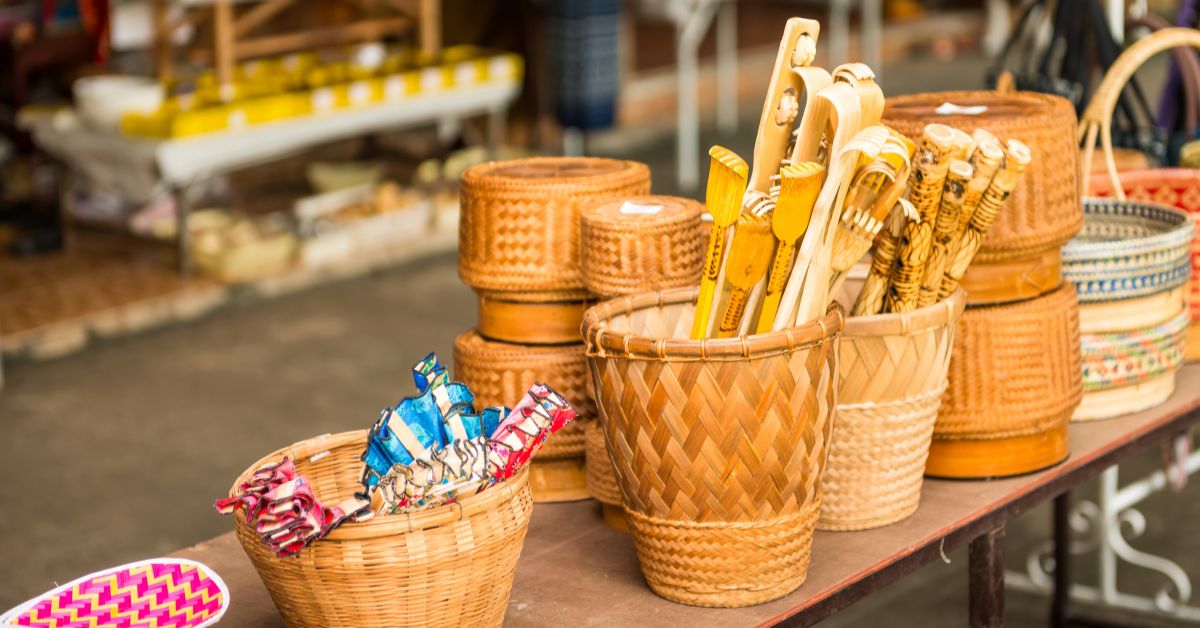
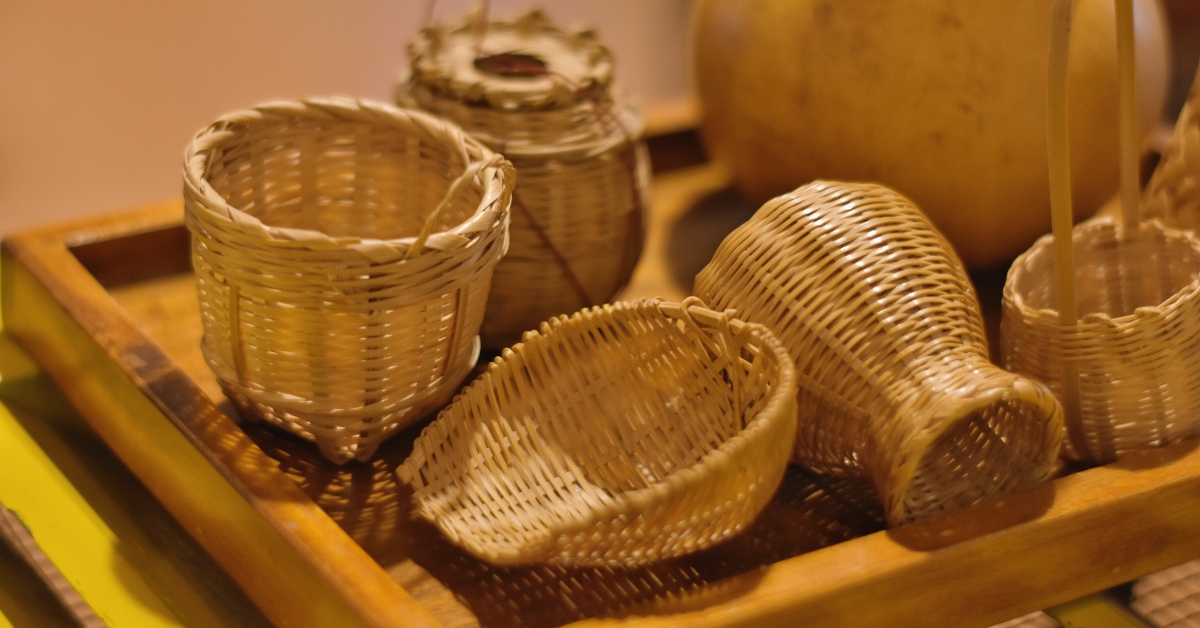
The shift away from plastic has pushed bamboo into the spotlight.
Bamboo cutlery, furniture, and home decor sell as clean, renewable alternatives, and India’s Northeast holds the bulk of the country’s bamboo.
The leading buyer markets are the United States, Germany, and the Netherlands.
Plant-based goods usually need a phytosanitary certificate, and treated bamboo may carry its own conditions depending on the destination.
The caution is moisture.
Bamboo that is not properly dried and treated can crack or develop mold in transit.
A moldy container does not earn a second order.
Leather Goods
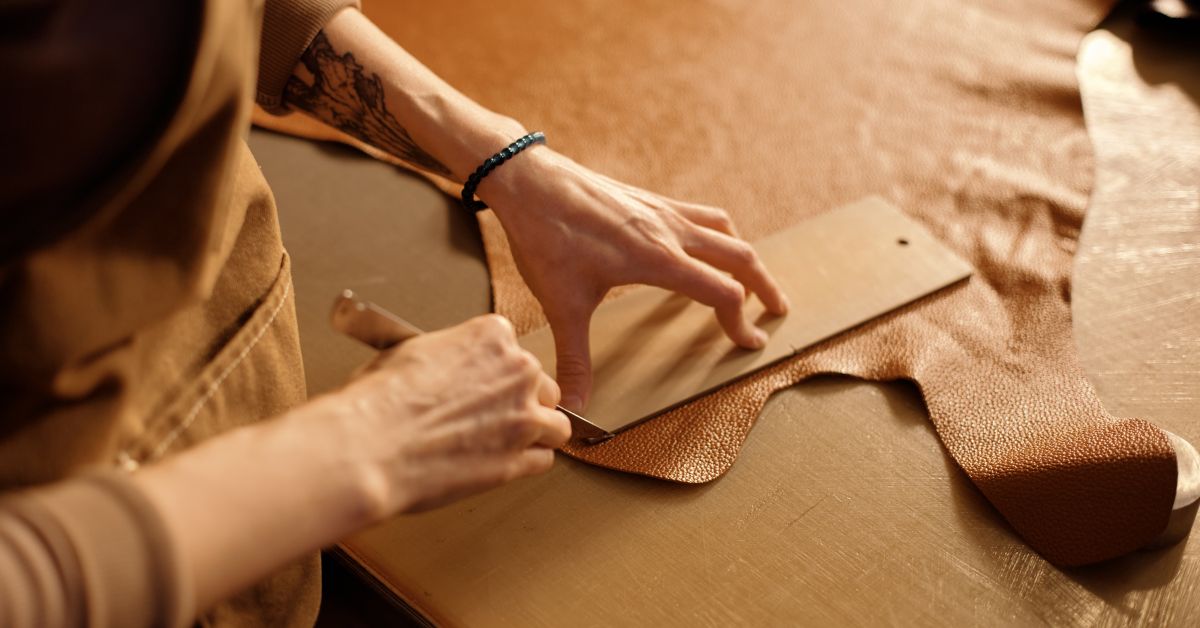
India is one of the largest leather producers in the world, and its bags, belts, jackets, and shoes are known for their durability and meticulous artistry.
Kanpur and the Chennai belt remain the main manufacturing hubs.
Exports run strongly to the United States, the United Kingdom, Italy, and Germany.
This is one of the more rewarding categories on margin.
Finished leather goods often return 25–40% because the craftsmanship and finish command real value.
Membership in the Council for Leather Exports facilitates access and documentation.
For Europe, pay close attention to restricted chemicals; the region limits substances such as chromium VI in finished leather.
The caution is chemistry.
A chemical that passes at home can fail a European test, so confirm your tannery meets the destination standard before you book the order.
Handmade Paper And Stationery

Eco-conscious buyers have embraced handmade paper and stationery.
Recycled journals, gift wrap, and greeting cards sell well, and demand for sustainable stationery continues to rise.
The Kagzi artisans of Rajasthan are known for high-quality handmade paper, which gives Indian exporters a real story to tell.
The strongest markets are the United States, Germany, and Australia.
Margins are moderate and depend on volume, but the low entry cost makes this an approachable category for a first-time exporter.
The caution is consistency.
Buyers reorder when the weight and finish stay the same batch after batch, so guard your quality control closely.
Ethnic Textiles Including Banarasi Silk And Pashmina
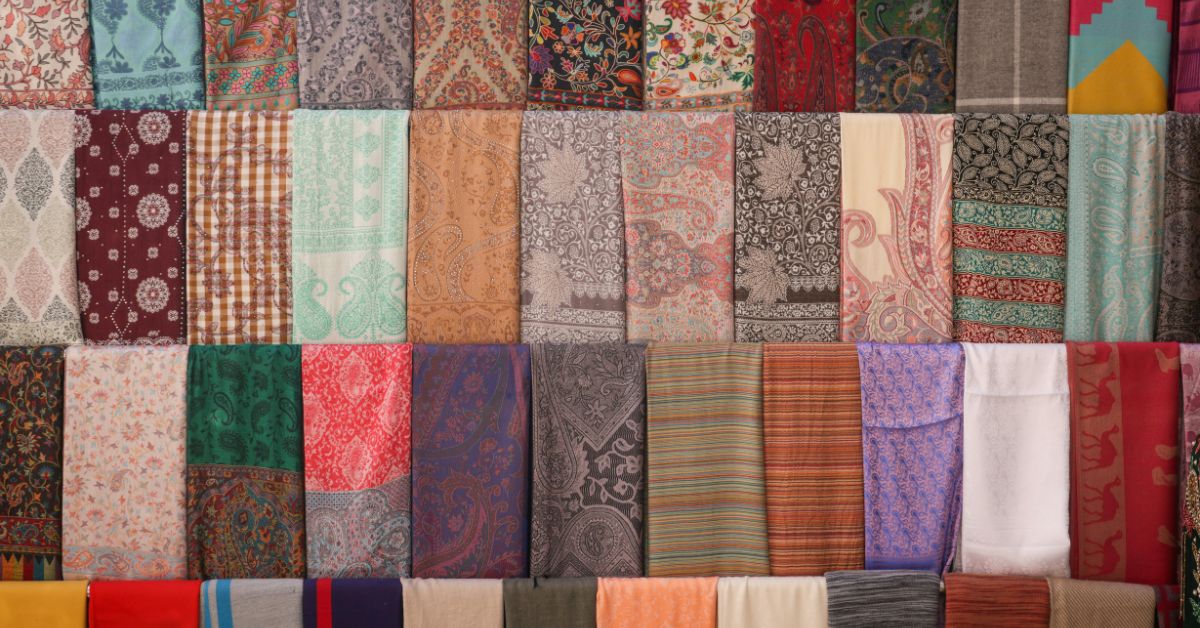
India’s handwoven textiles have drawn admirers around the world for generations.
Banarasi silk sarees and Kashmiri Pashmina shawls fetch premium prices, and a fine handwoven saree can sell for several hundred dollars in Western boutiques.
Both carry Geographical Indication protection, which adds real value when you sell the genuine article.
Demand is strong in the United States, the United Kingdom, the United Arab Emirates, and France.
These are high-value, low-volume pieces, so the per-item margin is strong, while the cash cycle is slow.
Authenticity certification matters here more than almost anywhere because buyers worry about fakes.
Genuine GI-backed papers protect your price.
One firm caution: Pashmina is legal and prized, but shahtoosh, made from an endangered antelope, is banned worldwide. Never confuse or mix the two.
Software And Information Technology Services

This one is different from everything above, and that is the point.
India exports far more than physical goods.
It is a global leader in technology services, and software development, artificial intelligence work, and custom IT services rank among the country’s most valuable exports.
There is no container or freight here, but there are still sales, deliveries, and paperwork.
Buyers cluster in the United States, the United Kingdom, Canada, Singapore, and Australia.
Margins can be very high compared with physical trade since your main cost is skilled time rather than raw material.
Software export earnings are reported through SOFTEX filings, usually via STPI, under India’s foreign exchange rules.
The caution is getting paid.
Cross-border invoicing, contracts, and currency rules decide whether a great project becomes a great payment, so set those terms before you start coding.
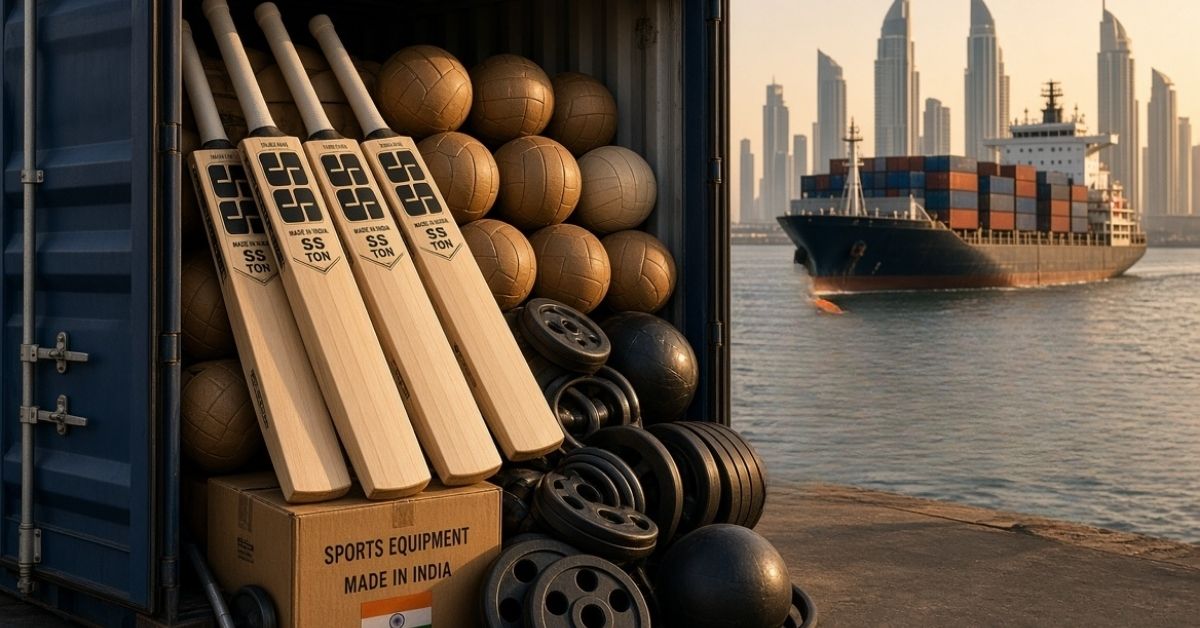
Sports Goods And Equipment

This is the category I know from the inside.
India has a deep sports goods base, with Meerut known for cricket equipment and Jalandhar known for a wide range of sporting goods.
Cricket gear, inflatable balls, boxing equipment, carrom boards, and fitness accessories all travel well.
The buyer markets I see most often are the United Kingdom, the United States, the United Arab Emirates, the wider Gulf, and Australia.
Margins sit in the middle of this list, healthier than raw commodities and thinner than luxury craft, and they reward exporters who get the specification exactly right the first time.
Membership in the Sports Goods Export Promotion Council helps with documentation and access to buyers.
For certain markets, and for anything aimed at children, destination safety standards and product marking matter a great deal.
Two Cautions From Experience

First, expect a sample approval cycle before any real order, and take it seriously; the buyer is testing whether you can hold a specification.
Second, sport runs on seasons, so plan production around the demand window rather than against it. A shipment of cricket gear that lands after the season has started is a shipment sitting in a warehouse.
A Note On Export Incentives
Before you finalize any price, factor in what the government gives back.
India runs a scheme called RoDTEP (Remission of Duties and Taxes on Exported Products).
It refunds certain embedded taxes and levies that GST does not cover, and it has been confirmed to continue at existing rates at least until the end of September 2026.
Be realistic about the size.
The refund is usually a small percentage of your export value, so treat it as a helpful top-up rather than the reason to export.
You claim it by declaring it on your shipping bill, and the benefit is delivered as transferable scrip through the customs portal.
Rates are product-specific and change over time, so check the current DGFT rate list for your item before including it in a quote.
At A Glance
| Product | Top Buyer Markets | Key Paperwork Or Rule | Margin Feel |
|---|---|---|---|
| Ayurvedic and herbal goods | United States, Germany, UAE | Destination labeling and claims rules | Moderate to strong |
| Organic cotton textiles | United States, UK, EU, Australia | GOTS certification | Moderate |
| Handcrafted ethnic jewelry | United States, France, UAE | BIS hallmarking, EU nickel limits | Strong, slow turnover |
| Spices | United States, EU, Middle East | Spices Board registration, FSSAI, residue limits | Thin, high volume |
| Incense sticks | United States, UAE, Southeast Asia | Standard export docs, flammable goods rules | Moderate to strong |
| Premium teas | UK, Germany, Japan, Russia, US | Tea Board registration, FSSAI | Thin in bulk, strong in private label |
| Bamboo products | United States, Germany, Netherlands | Phytosanitary certificate | Moderate |
| Leather goods | United States, UK, Italy, Germany | CLE membership, EU chemical limits | Strong |
| Handmade paper and stationery | United States, Germany, Australia | Standard export documents | Moderate |
| Banarasi silk and Pashmina | United States, UK, UAE, France | GI authenticity papers | Strong, slow turnover |
| Software and IT services | United States, UK, Canada, Singapore | SOFTEX filing via STPI | High |
| Sports goods and equipment | UK, United States, UAE, Gulf, Australia | SGEPC membership, safety standards | Moderate |
Conclusion

India gives you room to build a real export business, whether you lean toward handmade luxury, eco-friendly goods, technology services, or sporting equipment.
The opportunity is genuine, but so is the homework.
Know your buyer, respect the paperwork, claim the incentives you are owed, and price in the true cost of shipping before you promise a margin.
Here is the only first step that works: Pick one product you understand well.
Find one serious buyer.
Ship one clean order, and let it teach you everything the next ten will need to know.
If you want a second set of eyes before you commit, send me the product and the market you are eyeing.
I will tell you honestly whether the numbers hold up.
That one conversation has saved more than a few exporters from an expensive first mistake.
About Author