
Table Of Contents
India uses anti-dumping duties as a regular trade policy tool.
For importers, each new duty can immediately change your landed cost the day the notification takes effect.
This guide explains what these duties are, which Chinese-origin goods are currently covered, and, most importantly, how importers can plan around them.
What An Anti-Dumping Duty Really Is
Dumping occurs when a foreign producer sells goods in India at a price lower than the normal value in its home market.
An anti-dumping duty is an additional charge levied at the customs border to remove this unfair price advantage.
The objective is not to stop imports.
It is to create a level playing field so that domestic manufacturers can compete fairly.
This is different from a regular customs duty.
A basic customs duty applies to all imports from all countries.
An anti-dumping duty is product-specific, country-specific, and often producer-specific.
Which Chinese Imports Are Currently Subject To Anti-Dumping Duties?
In March 2025, India imposed anti-dumping duties on five key products following investigations by the Directorate General of Trade Remedies (DGTR).
Here are the details:
Important points importers often miss:
- Some duties (TCCA and PVC Paste Resin) cover countries other than China.
- Duties are frequently producer-specific; the exact rate depends on the manufacturer.
- The duty applies based on the country of origin, not the country from where the goods are shipped. Routing through a third country does not remove the liability.
How India Decides To Impose These Duties
The process is handled by the Directorate General of Trade Remedies (DGTR) under the Ministry of Commerce.
- The domestic industry files a petition alleging injury from dumped imports.
- DGTR conducts a detailed investigation into pricing, volume, and injury to Indian manufacturers.
- If dumping and injury are established, DGTR recommends a provisional duty (usually for 6 months), followed by a definitive duty (normally for 5 years).
A provisional duty is essentially an early warning that a longer-term duty is likely.
Why Anti-Dumping Duties Are Allowed Under Global Trade Rules
Anti-dumping duties are permitted under World Trade Organization (WTO) rules.
They are a recognized exception to free trade principles when dumped imports cause material injury to the domestic industry.
India is not alone; the US, the European Union, and many other countries regularly use this tool.
What It Means For Your Landed Cost
This is where policy meets your cost sheet.
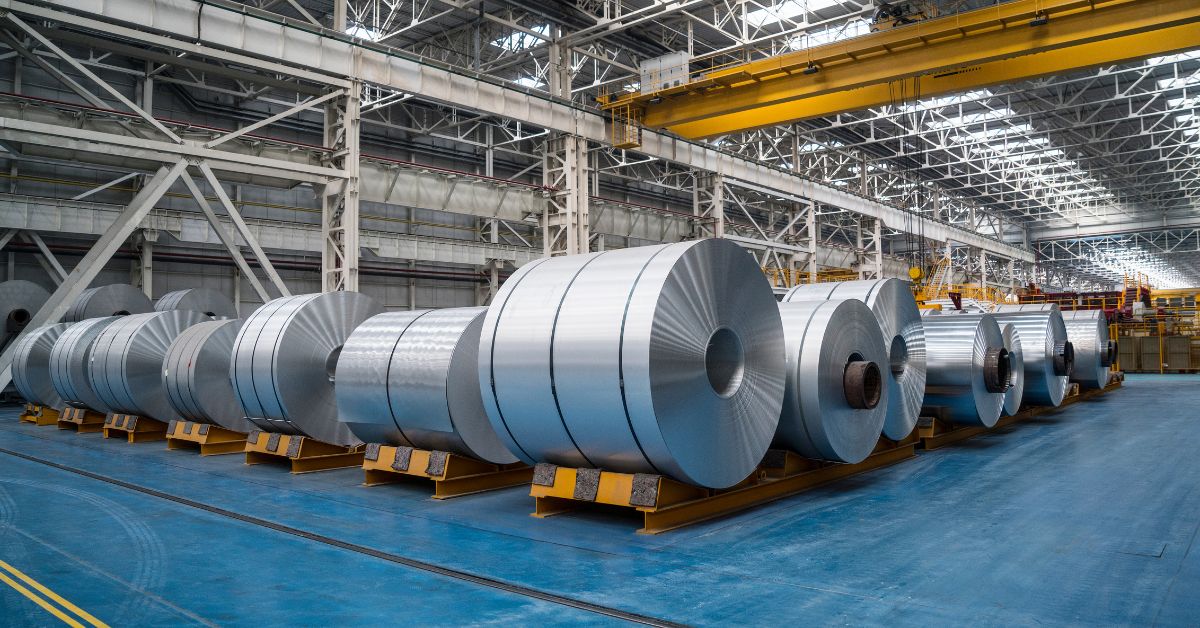
Example: Suppose you import aluminum foil priced at USD 2,000 per tonne. After adding the definitive anti-dumping duty (USD 479–721 per tonne), plus normal customs duty and taxes, your landed cost can easily reach USD 2,700–2,800 per tonne.
That swing can completely wipe out thin trading margins.
If you quote a customer before the duty notification and ship afterward, you may have to absorb the difference unless your contract has a price revision clause.
How Importers Can Respond
You have several practical options:
- Check the exact scope — Duties apply to specific HS codes and technical specifications. Your product may fall outside the notified description.
- Verify country of origin — Keep valid Certificates of Origin. The duty follows the origin, not the shipping route.
- Look for end-use exemptions — some duties differentiate between industrial, food-grade, and pharmaceutical uses. Proper documentation can make a difference.
- Read the latest CBIC notification — Always refer to the current Customs (ADD) notification before finalizing costs. Rates and conditions can change.
- Diversify sourcing — Shift part of your volume to suppliers in countries not subject to the duty.
- Explore domestic alternatives — In some categories, Indian manufacturers have become price-competitive after the duty was imposed.
The Trade-Off Behind The Policy
Anti-dumping duties protect Indian manufacturers but increase costs for importers and downstream industries that rely on these inputs.
Policymakers must also consider the risk of retaliation, as China remains one of India’s largest trading partners.
The overall impact on India’s trade deficit is limited because these measures are highly targeted.
Their real purpose is to address unfair pricing in specific product categories rather than to reduce imports broadly.
Practical Takeaway For Importers
An anti-dumping duty is not just headline news.
It is a number that appears on your cost sheet and usually stays there for 5 years.
Action steps you should take now:
- Track ongoing DGTR investigations in your product categories.
- Treat every provisional duty as a signal that a definitive duty is likely.
- Recalculate landed costs against the latest notification before every major shipment.
Handled proactively, these duties become a manageable cost factor rather than an unexpected shock.
Frequently Asked Questions (FAQ)
What is the difference between provisional and definitive anti-dumping duty?
A provisional duty is temporary (usually 6 months) and acts as an interim measure. A definitive duty is the final duty imposed after the full investigation and normally remains in force for five years.
Does anti-dumping duty apply only to goods from China?
No. While many recent duties target Chinese imports, some (such as those on PVC Paste Resin and Trichloro Isocyanuric Acid) also apply to other countries.
How long do anti-dumping duties usually last in India?
Definitive anti-dumping duties are generally imposed for a period of five years, unless they are revoked or amended earlier following a review.
How can I check if my product is subject to anti-dumping duty?
Visit the DGTR website (dgtr.gov.in) for ongoing and concluded investigations, and check the latest Customs (ADD) notifications on the CBIC website. You can also consult your customs broker or trade consultant with the exact HS code and product specifications.
THOUSIF EXIM helps importers and businesses navigate changing trade duties, optimize sourcing strategies, and maintain competitive landed costs across global supply chains.
If a recent anti-dumping duty has affected your product calculations or sourcing plans, feel free to reach out.
We can help you review the applicable notifications and explore practical options.
About Author