
Table Of Contents
India produces almost all of the world’s makhana but exports very little of it abroad.
That gap is the real story, and it is where the opportunity sits for any exporter willing to learn the trade properly.
Introduction
If you have spent time in the Indian snack aisle, you know makhana.
Those light, crunchy pops turn up at movie nights, fasting days, and tea-time plates across the country.
What few people know is that this humble lotus seed has become a small but fast-growing export category.
At THOUSIF INTERNATIONAL IMPORTS AND EXPORTS, we evaluate agricultural products through one clear lens: Can they travel reliably, and can they generate sustainable returns? Makhana meets both criteria when quality and consistency are controlled.
This guide covers what makhana is, where it comes from, how it is graded for export, what the trade numbers actually show, who the buyers and key players are, and how a serious exporter can enter the business.
The figures are presented honestly so you can see why exports remain small, what quality standards buyers demand, and where the real margins lie.
What Is Makhana?
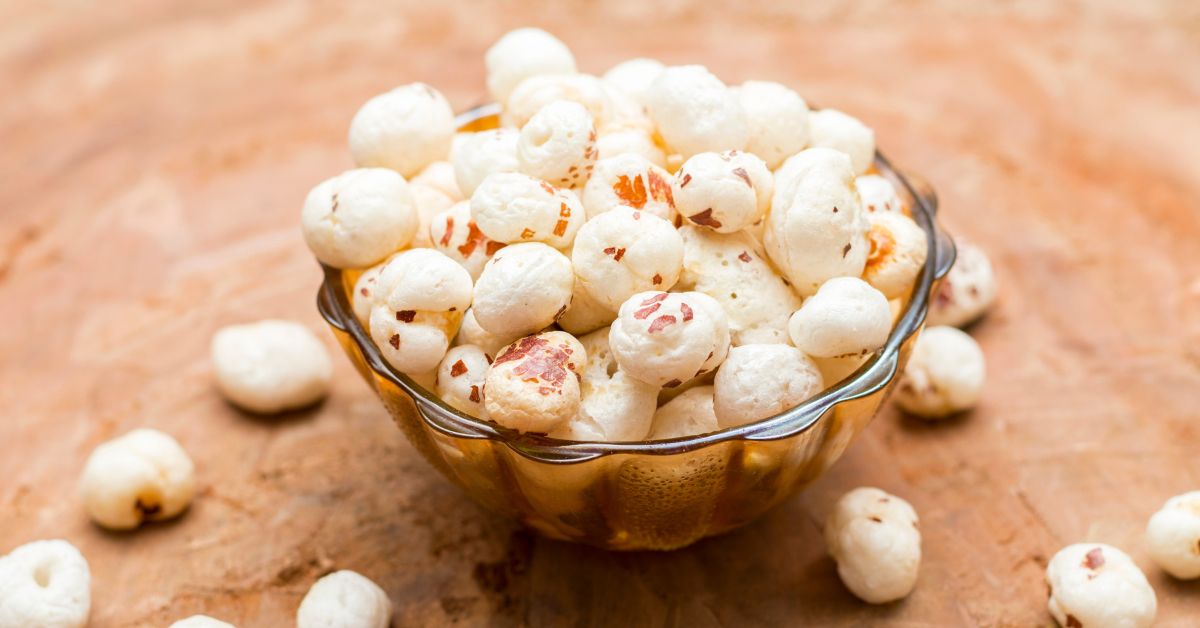
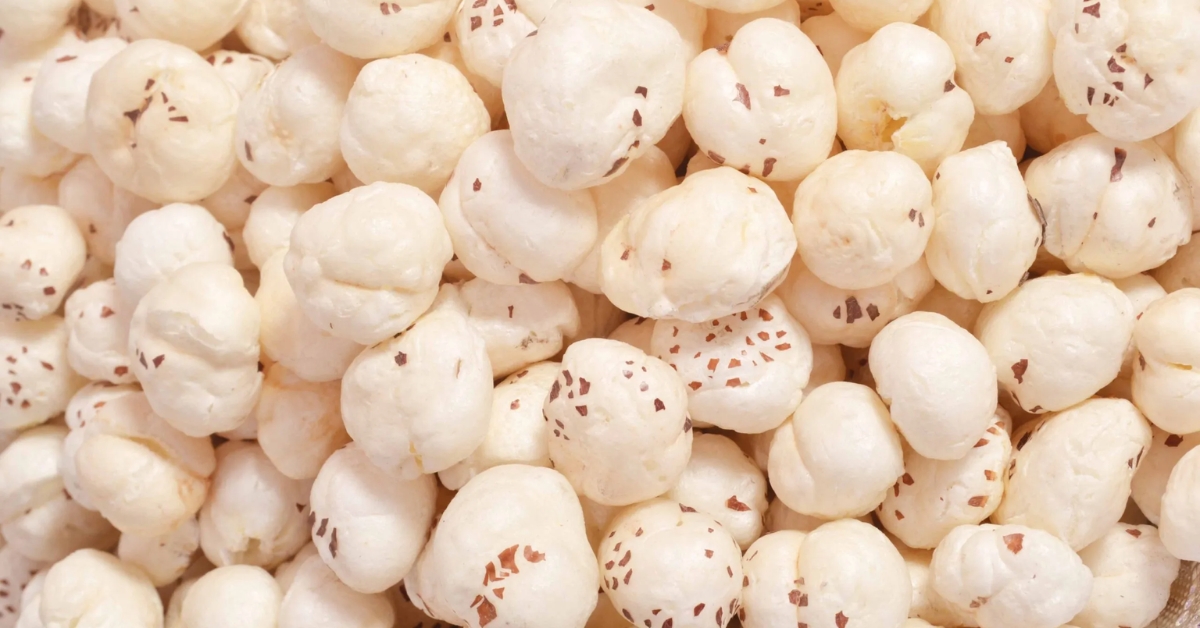
Makhana is the edible seed of a water lily, scientifically named Euryale ferox.
It is also called fox nut, gorgon nut, or lotus seed.
The plant grows in shallow ponds and wetlands.
Farmers collect the seeds from the water, then dry, roast, and pop them into the airy white kernels sold in shops.
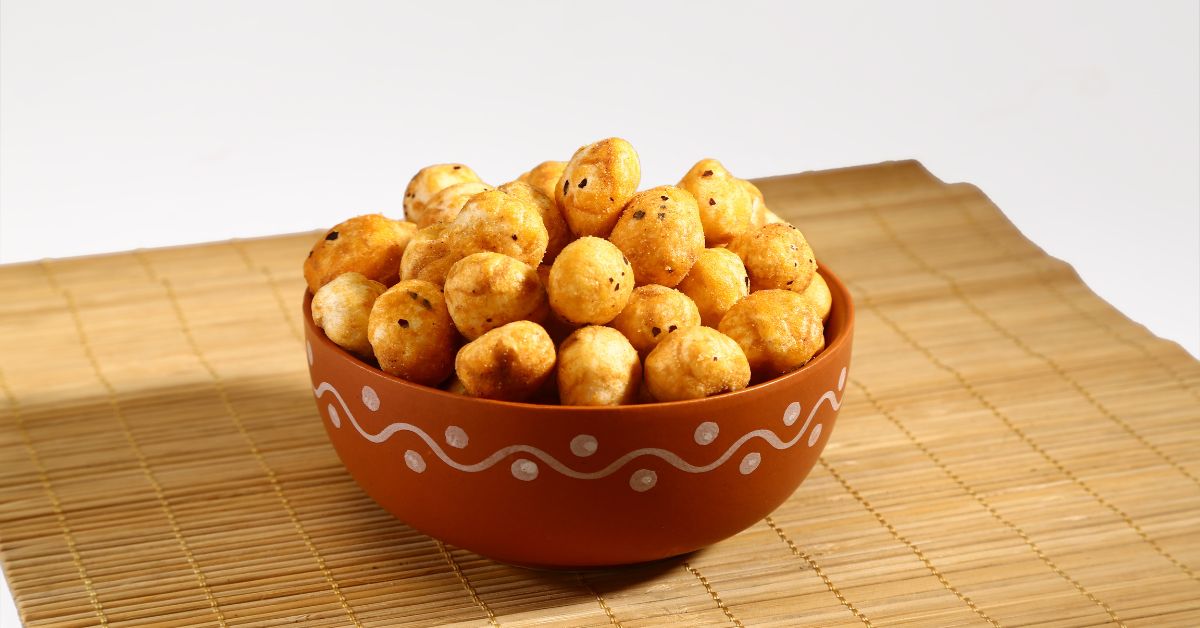
In Indian kitchens, makhana is often roasted with ghee and spices or cooked into kheer and curries.
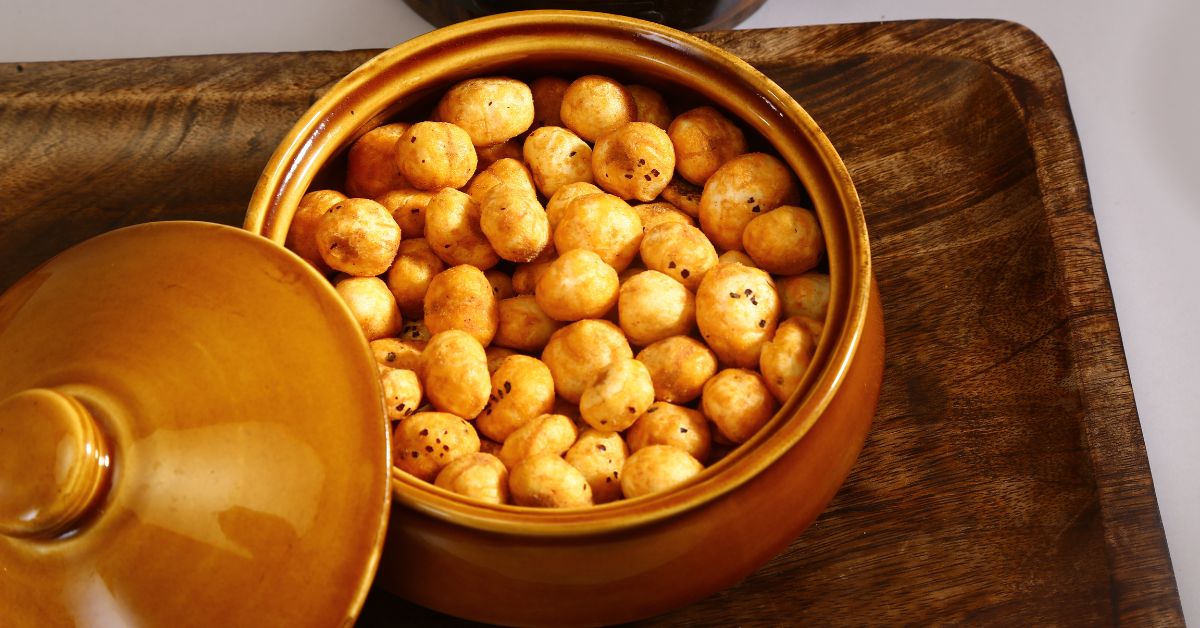
In export markets, it is sold as a plain or flavored snack and as an ingredient in trail mixes and health foods.
The appeal is straightforward.
Makhana is light, gluten-free, plant-based, and low in fat.
For health-focused buyers abroad, that nutritional profile does most of the selling.
A Short History Of Makhana In India
Makhana cultivation in India has roots in the Mithila region of Bihar, going back well over a century.
The lotus plant grows naturally in the still water that fills Bihar’s low-lying districts during the monsoon, so commercial farming developed there first.
The seed has also carried cultural weight.
Lotus seeds appear in religious offerings and are linked with purity in several Indian traditions.
For generations, harvesting was done by the Mallah community, who dive into the ponds to collect the prickly seeds by hand.
It is slow, skilled work.
More recently, agricultural research has pushed makhana out of traditional ponds and into managed fields.
Field cultivation raises yields and reduces the hardest manual labor, which is one reason production has grown.
Where Makhana Is Grown In India
India produces close to ninety percent of the world’s makhana.
Within India, Bihar dominates, accounting for roughly 85% of national output.
The core growing districts sit in the Mithila belt and include Darbhanga, Madhubani, Purnia, Katihar, Saharsa, Supaul, Araria, Kishanganj, and Sitamarhi.
Other states add smaller volumes.
West Bengal, Assam, Manipur, Tripura, Jharkhand, and pockets of Uttar Pradesh and Odisha all contribute.
India has about 15,000 hectares under makhana cultivation, producing roughly 120,000 tonnes of raw seed each year.
After processing, the raw seed yields around 40,000 tonnes of popped makhana.
That is the figure that actually reaches the market.
Makhana Grades And The Suta System
If you plan to export, the Suta system is the first thing to learn.
It is how makhana is sized, graded, and priced in the trade.
Suta refers to the diameter of the popped kernel.
One Suta is roughly 3.17 millimeters, and the grade rises with size.
The common export grades are simple to remember:
- Four Suta measures about 12 to 16 millimeters and is the standard, everyday grade.
- Five Suta measures about 15 to 18 millimeters and is a solid mid-premium grade.
- Six Suta measures about 18 to 21 millimeters and is considered premium or jumbo.
- Seven Suta is above 21 millimeters, the rarest grade and the most expensive.
The rule is straightforward.
The higher the Suta number, the larger and whiter the pop, the rarer the grade, and the higher the price.
Gifting and premium retail abroad favor Suta 6 and 7.
Bulk and processed-food buyers often take four to five steps to control costs.
Quality Specifications That Matter For Export
Buyers do not judge makhana by size alone.
Consistency wins repeat orders, and these factors determine a shipment.
Moisture content is the single most important spec.
Well-processed export makhana is kept at below 5% moisture.
This preserves crispness and provides a shelf life of up to 12 months.
Sorting is the next test.
Good export stock is double-sorted by machine and by hand to remove black spots, hard unpopped seeds, and broken pieces.
Breakage matters more at higher grades.
A premium six or seven-Suta lot with heavy breakage is a clear red flag, and buyers will reject it or push the price down.
Shelf life depends on the product.
When stored correctly, raw makhana lasts about 9 to 12 months.
Flavored makhana is shorter, often three to six months, because of the added oils and seasonings.
Certification builds trust.
Beyond the mandatory licenses, serious buyers in regulated markets look for HACCP, and many also ask for organic, Halal, or USDA certification, depending on their channel.
Packaging, Order Size, And Price Reference
Makhana is light but absorbs moisture fast, so packing is not a detail.
It is part of the product.
For bulk export, common packaging options are ten- or twenty-kilogram food-grade woven sacks or vacuum-sealed bags when extra moisture protection is needed.
Inner liners are standard.
Minimum order sizes vary by supplier.
Domestic bulk often starts around twenty-kilogram sacks, while export orders are usually arranged by pallet or by full container load.
Pricing moves with grade, season, and volume, so treat the following as market reference rather than a fixed quote.
In Bihar, domestic rates have ranged widely from about 300 to 1,300 rupees per kilogram, with 4 and 5 Suta at the lower end and 6 and 7 Suta at the top.
On the export side, recent market references for delivered prices to Western ports have sat around eleven to thirteen US dollars per kilogram for mid grades, and near fifteen US dollars per kilogram for premium grades, inclusive of freight and insurance.
Premium retail packs abroad can reach far higher per kilogram once branded.
The lesson is to price by grade and to lock your quality spec before you quote, because the spread between grades is wide.
The Export Picture: Real Numbers
This is the section that matters most, so the data is presented carefully.
India is the world’s largest exporter of makhana by a wide margin.
The growth has been real.
Exports rose nearly fourfold between 2020 and 2024, climbing from about 6,700 tonnes to around 25,000 tonnes.
That is close to a forty percent compound annual growth rate over those four years.
In value terms, makhana exports reached about 255 crore rupees, or roughly 30 million US dollars, in the 2024 to 2025 financial year, up about 27 percent year on year.
Growth is not a straight line.
Early data for 2025 points to volumes settling slightly below the 2024 peak, driven mainly by United States tariff measures and price pressure.
An exporter should plan for that kind of swing.
Here is the figure that should shape your thinking: Exports still account for only about 1% of India’s total makhana production.
Almost all of the crop is consumed inside India.
For an exporter, that is not a sign of a crowded market.
It is the opposite.
It means the export trade is still in its early stages.
For reference, the common HS codes for makhana are 19041090, 21069099, and 08134090.
Most shipments move through Mundra, Nhava Sheva, and Kolkata.
Note that dedicated HS codes for makhana products (20081921 for popped makhana, 20081922 for powder, and 20081929 for other products) were introduced in 2025 for clearer classification.
Top Importing Countries
Indian makhana now reaches more than twenty countries, but a few buyers dominate, and the concentration is striking.
Recent trade data puts the United States at around 40% of India’s makhana exports.
Canada follows at nearly 20 percent, and the United Arab Emirates sits at close to 17 percent.
Together, those three markets take roughly three-quarters of everything India ships.
That tells you exactly where to focus first.
Beyond them, the United Kingdom and Australia are meaningful and growing, supported by large South Asian populations and rising interest in plant-based snacks.
Nepal, Bangladesh, Japan, and several European markets import smaller but steady volumes.
Key Players In Makhana Export
A handful of brands and trading firms drive most of the organized export trade.
On the branded side, names such as Shakti Sudha, Farmley, Mera Kisan, and Mithila Naturals are well-known, with a focus on organic, flavored, and packaged lines.
On the trading and bulk side, firms such as Cilantro Food Products, Shree Shyam Impex, House of Pura, Nathubhai Cooverji and Sons, and Al Shadik Export handle volume shipments.
Behind all of them sit the farmer cooperatives of Bihar, which supply the raw material that the entire trade depends on.
New entrants compete less on the seed itself, which is a commodity, and more on grading, certification, packaging, and reliable supply.
How To Start A Makhana Export Business In India
The path is well defined, and a serious exporter can follow it step by step.
First, register your business and obtain an Import Export Code from the DGFT.
This code is mandatory for any international trade.
Next, register with APEDA and obtain your RCMC, since makhana falls under agricultural exports.
Secure food safety approvals.
An FSSAI license is essential; most serious buyers expect a HACCP certificate; and regulated markets such as the United States may require additional compliance measures, such as FDA registration.
Source carefully.
Quality varies widely by grade and moisture content, so build relationships with reliable suppliers in Bihar and inspect what you buy against a written spec.
Fix your packaging early.
Use food-grade, moisture-proof packing in the formats your buyer expects, because poor packing ruins a shipment and a relationship in one move.
Find buyers through trade fairs, verified online marketplaces, importer directories, and agents.
Confirm grade, spec, payment security, and certificates of origin before you ship.
Start small.
One clean, on-time shipment that meets spec is worth more than a large order you cannot fulfill to standard.
Quality consistency remains the biggest practical challenge for new entrants.
Many experienced rejections or margin pressure during initial shipments until grading, moisture control, and supplier relationships were fully stabilized.
Challenges Exporters Face
Makhana exports are rewarding, but they are not easy money.
Going in with clear eyes helps.
Yields remain modest in many areas, and harvesting is still labor-intensive, which keeps raw material costs uneven.
Quality and consistency are the hardest parts.
Without proper drying, grading, and storage, seeds spoil or fail buyer inspection.
Pricing swings with weather and supply, and the spread between Suta grades is wide, so that margins can move sharply between seasons.
Trade policy is another variable.
Tariff changes in major markets, as seen in the United States in 2025, can quickly soften demand, so an exporter must monitor them closely.
Infrastructure gaps in rural sourcing areas can delay collection and dispatch, which matters when buyers expect fixed timelines.
The good news is that most of these problems are being addressed through better processing, farmer training, and stronger value chains.
Where The Market Is Heading
The global makhana market was valued at roughly $120 million in 2024 and is projected to reach nearly $190 million by 2030.
That works out to an annual growth rate of around eight percent, steady rather than explosive.
Policy support is strengthening the base.
The 2025 Union Budget announced a dedicated Makhana Board with an initial allocation of one hundred crore rupees, aimed at processing, quality, and market access.
The Mithila Makhana geographical indication tag, granted in 2022, also protects the product’s identity and builds buyer trust.
Expect growth in flavored and ready-to-eat lines, organic certification, and direct-to-consumer sales through e-commerce.
Europe and the Asia-Pacific region are the markets to watch next.
Trivia
Before processing, makhana seeds are so hard that workers nickname them “black diamonds,” and they have traditionally been cracked open by hand with small wooden mallets.
Conclusion
Makhana is a strong example of a traditional Indian crop finding a modern global market.
The headline is not that exports are booming.
It is that exports remain only a sliver of production, which leaves real room to grow for exporters who get grade, moisture, and consistency right.
At THOUSIF INTERNATIONAL IMPORTS AND EXPORTS, we believe the best trade decisions come from honest numbers and ground-level knowledge, not hype.
If you are exploring makhana or any agricultural export, start small, fix your quality spec, and build buyer trust shipment by shipment.
What is your experience with makhana, as a snacker or as a trader?
Leave a comment below and tell us.
About Author